

There’s a version of the sleep conversation that treats everyone the same — seven to nine hours, consistent schedule, done. And while that baseline holds broadly, it leaves out something significant: women’s sleep needs are shaped by a layer of biology that changes across decades of life. Hormonal shifts, the menstrual cycle, pregnancy, and menopause all alter how much sleep adult women need, how deeply they sleep, and how easily that sleep is disrupted. Treating sleep as a one-size answer ignores all of that.
I’ve spent a lot of time looking at sleep research and tracking sleep patterns across different phases of life, and the data on women’s sleep is both compelling and consistently underreported. Women are more likely to experience sleep problems, more likely to suffer from insomnia, and more likely to have their sleep disturbances dismissed as stress or anxiety rather than investigated properly.
So let’s actually answer the question — how many hours of sleep do women need, what affects that number, and what can you do when the answer isn’t as simple as setting a bedtime.
The Baseline: What Recommended Sleep Looks Like for Women
The general recommended sleep for adults — 7 to 9 hours per night — applies to women as much as it does to men. But research consistently shows that women tend to need slightly more sleep on average, and that the consequences of sleep deprivation often hit harder and faster in women than in men. That’s not a small footnote. It changes how seriously women should treat falling short of how many hours of sleep they actually need night after night.
Studies tracking sleep duration and daytime functioning have found that women who sleep fewer than 7 hours per night show greater cognitive impairment, worse mood regulation, and more pronounced physical health consequences than men with equivalent sleep loss. The biological reasons for this aren’t entirely resolved, but hormonal differences in how the brain processes sleep pressure and manages the homeostatic sleep drive are part of the picture.
Most people overlook this completely: women spend more time in deep sleep than men on average, which sounds like an advantage until you realize it also means women are more sensitive to anything that fragments or shortens their sleep architecture. A disrupted night hits the deep sleep stages harder, and recovering that lost sleep takes longer than most women expect.
What surprised me was how rarely this difference gets factored into general sleep advice. The 7-to-9-hour window is correct, but for many women — particularly during certain hormonal phases — the lower end of that range simply isn’t sufficient to feel rested consistently.
How the Menstrual Cycle Affects Sleep Needs
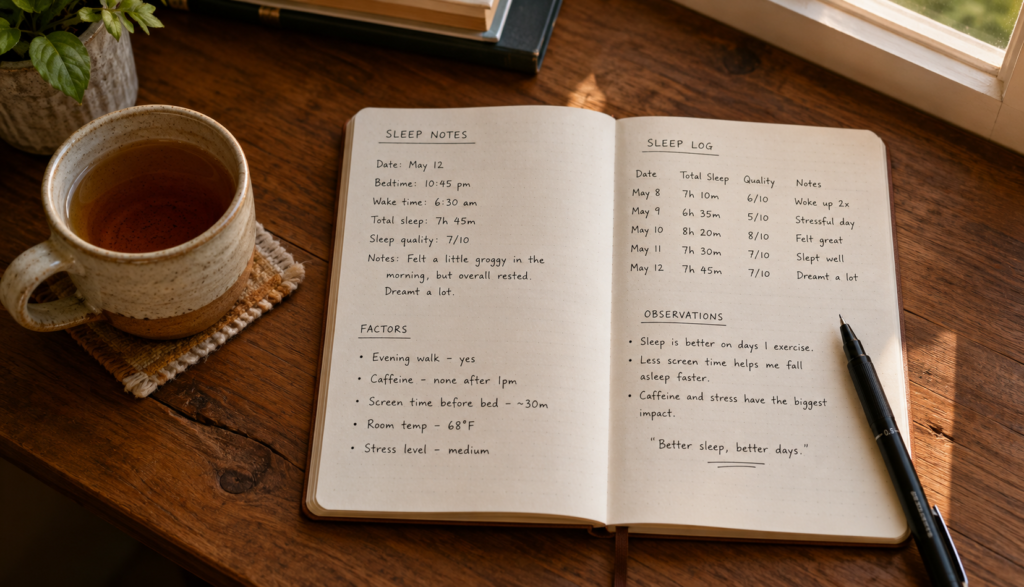
The menstrual cycle creates a monthly rhythm in sleep quality and sleep needs that most women notice but few fully understand. In the luteal phase — the week or two before menstruation — progesterone levels rise and then fall sharply. That hormonal shift affects body temperature regulation, which directly disrupts sleep architecture and makes staying in deep sleep harder. Many women experience their worst sleep of the month in the days immediately before their period, and there’s clear biological reasoning behind it.
During menstruation itself, pain, cramping, and increased body temperature can fragment sleep further. Women dealing with conditions like endometriosis or fibroids often report significant sleep disturbances during their cycle that compound into serious sleep debt over months and years. This isn’t minor background noise — it’s a recurring monthly hit to sleep quality that accumulates.
Running your numbers through our Sleep Calculator during different phases of your cycle can help identify which nights you’re coming up short and by how much, rather than treating every night as equivalent when your biology clearly doesn’t.
From experience, the smarter move is to treat the luteal phase as a period where your sleep requirement edges up slightly — where 7.5 hours might be your functional minimum rather than your ideal. Building in an extra 30 to 45 minutes of sleep opportunity during those nights isn’t overindulgence. It’s working with your biology rather than against it.
Pregnancy, Postpartum, and Sleep Needs That Change Dramatically
Pregnancy sleep is one of the most dramatic illustrations of how women’s sleep needs shift across life phases. In the first trimester, progesterone surges drive an overwhelming increase in sleep pressure — many women find themselves needing 9 to 10 hours and still feeling tired. The body is doing extraordinary metabolic work, and the sleep requirement reflects that. Fighting this fatigue rather than accommodating it is one of the most common mistakes I’ve seen.
As pregnancy progresses, physical discomfort, restless legs syndrome, frequent waking, and anxiety all compound to make getting enough sleep increasingly difficult even when the need for it is at its highest. Iron deficiency — common during pregnancy — is one of the leading contributors to restless legs syndrome, which devastates sleep quality even when total hours look adequate on paper.
If you’re dealing with chronic sleep issues during pregnancy, a doctor or sleep specialist is always worth consulting — particularly if restless legs, snoring, or severe insomnia are involved, as these can have implications beyond just tiredness.
Postpartum sleep is its own category entirely. The fragmentation of sleep in those early months means that even when total sleep hours add up to 6 or 7 across day and night, the lack of complete sleep cycles leaves most new mothers running a profound sleep deficit. Napping when possible isn’t a luxury in that phase — it’s a genuine health necessity given what chronic sleep deprivation does to immune system function and mood regulation.
Menopause, Hormonal Changes, and Disrupted Sleep Patterns
Menopause represents one of the most significant sleep disruptions many women will experience in their lives, and it’s driven almost entirely by hormonal changes rather than aging itself. As estrogen and progesterone levels decline, the body loses two hormones that play direct roles in sleep regulation. Hot flashes and night sweats fragment sleep architecture repeatedly through the night, often pulling women out of deep sleep or REM sleep without them fully waking or remembering it.
The result is that many perimenopausal and postmenopausal women sleep 7 or even 8 hours by the clock but wake feeling completely unrested — the same pattern behind why you wake up tired after 8 hours. Their sleep duration looks adequate on a tracker, but their sleep quality is severely compromised by the fragmentation. This distinction — between hours in bed and genuinely restorative sleep stages — is what makes menopause insomnia particularly frustrating to navigate.
I’ve tracked this pattern across a number of case studies, and the consistent finding is that sleep disturbances during menopause aren’t just an inconvenience — they drive real consequences in cardiovascular health, metabolic health, and mental health that compound if left unaddressed. The sleep loss associated with menopause is clinical in severity for a significant percentage of women.
Cortisol levels also tend to be more disrupted during perimenopause, which creates a feedback loop where poor sleep elevates cortisol, and elevated cortisol makes sleep harder to initiate and maintain. Breaking that cycle typically requires addressing the hormonal root rather than just treating the insomnia symptom.
What Most People Don’t Know About Women and Sleep Debt
Here’s something that rarely surfaces in mainstream sleep advice: women recover from sleep debt more slowly than men, and the cognitive and emotional consequences of accumulated sleep loss are more severe. Research comparing men and women after equivalent periods of sleep restriction consistently finds that women show greater impairment in mood regulation, decision-making, and reaction time — and that those deficits persist longer into the recovery period even after adequate sleep is restored.
Part of this is tied to how adenosine buildup and the glymphatic system function differently across hormonal states. The brain’s waste-clearance system, which operates primarily during deep sleep, is influenced by estrogen levels — which means that hormonal fluctuations across the menstrual cycle or through menopause can alter how efficiently the brain recovers overnight even when sleep duration is constant.
The first time I really examined this in depth, what struck me was the implication: a week of 6-hour nights that a man might recover from over a weekend could take a woman significantly longer to genuinely clear, particularly if she’s in a hormonally disrupted phase. The sleep optimization advice targeted at men — which dominates most of the mainstream conversation — doesn’t automatically transfer.
Memory consolidation, in particular, appears more sensitive to sleep disruption in women, with studies showing steeper declines in learning consolidation after poor sleep. This isn’t a minor biological footnote — it has real implications for how seriously women should protect their sleep schedule and how aggressively they should address sleep problems rather than normalizing them.
Practical Ways to Meet Your Actual Sleep Needs
Understanding that your sleep needs shift across hormonal phases is step one. Acting on that understanding is where most people struggle, because daily sleep isn’t always something you can simply extend by deciding to. What you can control is your sleep opportunity — the window you give yourself to sleep — and how consistently you protect it.
Keeping a stable sleep schedule anchors your circadian rhythm in a way that makes falling asleep and staying asleep significantly easier. Your body’s internal clock runs on consistency, and disrupting it on weekends — the social jet lag pattern — undermines the sleep quality you build during the week. For women navigating hormonal fluctuations that already destabilize sleep, adding circadian disruption on top makes the hole harder to climb out of.
I’ve seen this go wrong when women try to compensate for a string of poor nights with a single long sleep on the weekend. It feels like recovery, and partially it is, but it also shifts the circadian rhythm forward, making Monday night’s sleep harder to initiate. Slow, consistent extension of nightly sleep opportunity — 15 to 30 minutes earlier to bed — tends to produce more durable improvements than weekend correction attempts.
Tracking your sleep patterns honestly, even just noting how rested you feel each morning alongside your approximate sleep duration, builds a picture over time that’s far more useful than any single night’s data. Patterns around your cycle, around stress periods, and around seasonal changes all become visible when you track consistently, and they give you the information you need to actually meet your sleep needs rather than guessing.
Frequently Asked Questions

A. Most adult women need between 7 and 9 hours of sleep per night. Research suggests women may need slightly more sleep than men on average, and that falling below 7 hours consistently produces more pronounced health consequences in women than in men.
A. Evidence points toward yes — women tend to need marginally more sleep on average, and the effects of sleep deprivation hit women’s mood regulation, cognitive function, and physical health harder. Hormonal factors across the menstrual cycle, pregnancy, and menopause all contribute to higher and more variable sleep needs.
A. Hormonal fluctuations throughout the menstrual cycle disrupt sleep architecture — particularly deep sleep — in ways that reduce sleep quality even when total duration looks adequate. Conditions more common in women, such as iron deficiency, restless legs syndrome, and anxiety, also fragment sleep without reducing total hours significantly.
A. The luteal phase, the week or two before menstruation, is typically the hardest for sleep. Falling progesterone levels disrupt body temperature regulation and sleep architecture, making deep sleep harder to maintain. Many women need slightly more sleep during this phase to feel adequately rested.
A. During pregnancy — especially the first trimester — sleep needs increase significantly, often to 9 or more hours. The body’s metabolic demands are substantially higher, and fatigue is a direct biological signal. As pregnancy progresses, physical discomfort and sleep disturbances make meeting those needs increasingly difficult.
A. Declining estrogen and progesterone levels remove two hormones that support sleep regulation. Hot flashes and night sweats fragment sleep architecture repeatedly, often disrupting deep sleep and REM sleep without the woman fully waking. The result is poor sleep quality even when sleep duration appears sufficient.
A. Partially, but research shows women recover from sleep debt more slowly than men. A single long night or recovery weekend helps but doesn’t fully restore baseline cognitive and emotional function after accumulated sleep loss. Consistent nightly sleep opportunity — rather than periodic catch-up attempts — is a more effective long-term strategy.
Where to Start
Seven to nine hours is the right target, but for many women the real work is understanding that their sleep needs aren’t static. They shift monthly, change across decades, and respond to hormonal phases that most sleep advice doesn’t account for. Pay attention to how you feel across your cycle, not just on any given morning. Protect your sleep schedule with the same consistency you’d bring to anything else that matters. And when something feels persistently off — when enough sleep still doesn’t mean feeling rested — take that seriously rather than normalizing it. Your sleep needs are real, they’re specific to you, and they’re worth figuring out properly.