
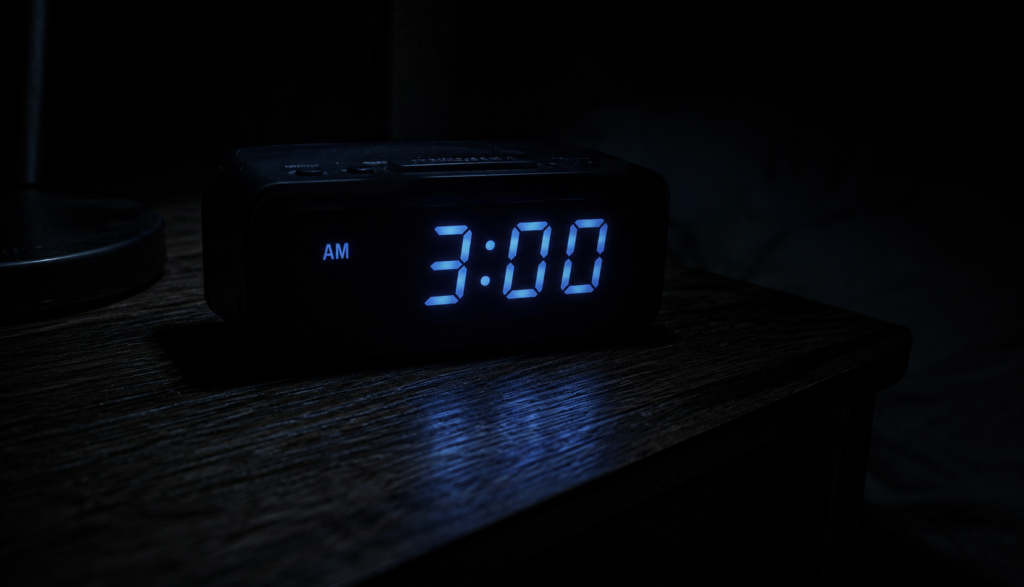
Lying in bed unable to sleep is one of the most frustrating experiences the body produces — exhausted enough to feel it physically, but wired enough that sleep stays just out of reach. For most people it happens occasionally, triggered by stress, a late coffee, or a disrupted schedule. For a significant portion of adults, it happens most nights, and the strategies they’ve tried have either stopped working or never worked at all. The problem in both cases isn’t willpower or effort. It’s biology — specifically, a set of neurological and hormonal conditions that are actively preventing sleep onset regardless of how tired you feel.
The most important thing to understand about not being able to sleep is that trying harder makes it worse. Sleep is not a performance. The more attention and effort you direct at it, the more activated your nervous system becomes, and activation is the opposite of what sleep requires. This is the central trap that keeps people lying awake for hours — the instinct to fix the problem by focusing on it intensifies the exact arousal state that’s blocking it.
I spent a long time making this mistake myself — watching the clock, calculating how many hours remained before my alarm, trying different positions, running through everything I’d read about sleep hygiene. None of it worked because none of it addressed what was actually happening. Understanding the real mechanism behind not being able to sleep is what changes the approach from guessing to actually solving it.
What Is Actually Happening When You Can’t Fall Asleep
When you can’t sleep despite being tired, the most common underlying mechanism is hyperarousal — a state where the autonomic nervous system is running in sympathetic mode when it should be transitioning to parasympathetic rest. Cortisol levels that are elevated beyond their natural evening drop, an activated amygdala processing stress or anxiety, and a brain metabolically running hotter than a sleeping brain should all contribute to this state. The tiredness is real — adenosine has been building all day and sleep pressure is genuine. But the arousal system is overriding it, and you can’t consciously override the arousal system by deciding to relax.
Conditioned arousal adds another layer that compounds the problem over time. Each night you lie awake in bed, your brain registers the bed as an environment associated with wakefulness, frustration, and alertness. Through basic conditioning — the same mechanism by which Pavlov’s dogs salivated at a bell — the brain begins generating an arousal response automatically when you get into bed, even before any conscious anxiety about sleep has begun. This is why people with chronic trouble sleeping often notice they feel more awake the moment they lie down than they did sitting on the sofa five minutes earlier. The bed itself has become a trigger for wakefulness.
Melatonin production — the hormone that signals the circadian system it is time for sleep — is suppressed by blue light exposure from screens in the hours before bed. Melatonin doesn’t cause sleep directly but it shifts the circadian rhythm into its biological night phase, lowering core body temperature and reducing cortisol in preparation for sleep onset. When melatonin is suppressed by artificial light, this preparation is delayed, pushing the natural sleep window later even when the clock says it’s bedtime. The result is lying in bed genuinely not ready to sleep from a circadian standpoint — not laziness, not anxiety, just a biological clock that hasn’t been given the signal to begin its wind-down sequence.
Understanding which of these mechanisms is dominant in your specific situation — hyperarousal, conditioned arousal, or circadian misalignment — determines which intervention will actually help. Applying the wrong fix to the wrong mechanism produces no results and often increases frustration, which feeds directly back into the arousal problem.
The Habits That Make It Harder to Sleep Without You Realizing

Caffeine has a half-life of five to seven hours, meaning that a coffee consumed at 3pm still has half its stimulant load active at 8 or 9pm. Most people dramatically underestimate how late caffeine affects sleep onset and sleep architecture, one of the quieter sleep deprivation effects that builds up night after night. It doesn’t just delay falling asleep — it reduces slow wave sleep depth even when it doesn’t visibly affect how quickly you go under.
People who claim caffeine doesn’t affect their sleep are usually experiencing reduced sleep quality they’ve normalized rather than genuine immunity to its effects.
Irregular sleep schedules are one of the most consistent and most overlooked contributors to trouble sleeping. The circadian rhythm is a biological clock that runs on consistency — it anticipates sleep and waking at specific times and prepares the body accordingly by adjusting cortisol, melatonin production, and core body temperature in advance. When your sleep schedule shifts significantly between weekdays and weekends — the social jet lag pattern — the clock loses its anchor and those preparatory signals misfire. Bedtime arrives but the body hasn’t begun its wind-down sequence because the clock didn’t expect sleep for another two hours. Taking our Insomnia Test to identify a fixed, consistent sleep window and committing to it across all seven days is one of the most effective single changes for people whose inability to sleep is schedule-driven.
Most people overlook this completely: spending too much time in bed trying to sleep actively weakens the sleep system. Time in bed awake reduces sleep efficiency — the ratio of time asleep to time in bed — and simultaneously strengthens conditioned arousal by repeatedly pairing the bed with wakefulness. The instinct is to give yourself more opportunity for sleep. The actual effect is to make sleep harder to achieve by degrading both sleep pressure and the association between the bed and sleep. Less time in bed, more consolidated sleep, is consistently what the evidence supports.
Evening alcohol follows the same counterintuitive pattern. It accelerates sleep onset convincingly, which feels like a benefit. What it produces is suppressed REM sleep in the first half of the night and elevated cortisol as it metabolizes in the second half — waking you at 3 or 4am and making returning to sleep difficult or impossible. People who drink to help themselves sleep are trading easier sleep onset for significantly worse sleep architecture and increased likelihood of night waking. The short-term relief compounds the long-term problem.
What to Do When You Can’t Sleep Right Now
The single most evidence-supported immediate response to lying awake and unable to sleep is to get out of bed. Not to check your phone, not to watch television — but to go to a different room, do something calm and non-stimulating in dim light, and return to bed only when you feel genuinely sleepy rather than just tired. This is stimulus control — the behavioral technique that directly addresses conditioned arousal by breaking the association between the bed and wakefulness. It feels wrong when you’re exhausted, but every minute spent lying awake in bed reinforces the problem. Every time you remove yourself before frustration escalates, you weaken it.
Slowing the breath deliberately activates the parasympathetic nervous system and reduces cortisol levels more quickly than any passive relaxation attempt. Extended exhales — breathing in for four counts and out for six to eight — shift the autonomic nervous system away from sympathetic activation toward the state sleep requires. This isn’t a cure for structural insomnia, but it genuinely alters the physiological conditions in the room within a few minutes. The mechanism is real: slow exhalation stimulates the vagus nerve, which directly downregulates the arousal systems keeping you awake.
I’ve tracked this myself during periods of acute stress-driven sleep problems, and the combination of leaving the bed and doing slow breathing in a dim room produced a measurable shift in how quickly sleep followed on return to bed. Not instant, not guaranteed — but consistently faster than lying there trying to force it. The approach works because it stops reinforcing the problem and starts addressing the physiological state that’s blocking sleep onset.
Keeping the room cool — between 65 and 68 degrees Fahrenheit — supports the core body temperature drop that triggers sleep onset. A warm shower 60 to 90 minutes before bed accelerates this process by briefly raising surface temperature and triggering a faster compensatory cool-down afterward. Neither of these fixes hyperarousal driven by stress or anxiety, but they remove thermal barriers to sleep onset that are often compounding an already difficult situation.
What Most People Don’t Know: The Effort Paradox in Sleep
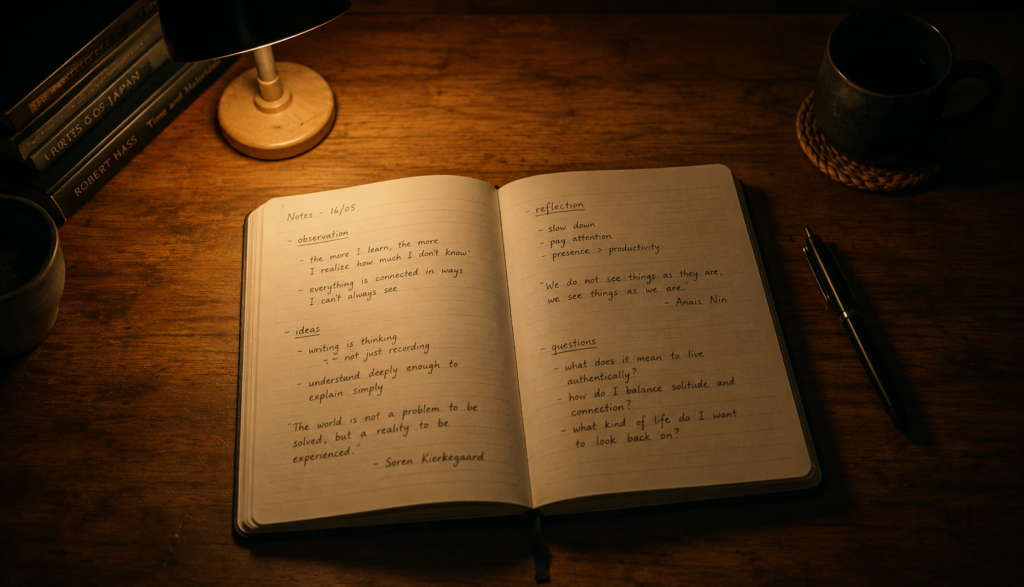
Here’s the insight that changes everything about how to approach not being able to sleep: sleep is one of the only biological processes that is actively inhibited by trying to perform it. It’s part of why forcing yourself through an all-nighter feels so different from natural wakefulness. Hunger, thirst, breathing — these drives operate independently of attention. Sleep, uniquely, is suppressed by directed effort.
The more you try to sleep, the more you monitor your arousal level, the more you check whether sleep is coming — the more activated the monitoring systems of the brain become, and activation is the neurological opposite of sleep onset. This paradox is called sleep effort, and it is the central mechanism that converts an occasional bad night into chronic trouble sleeping.
Sleep effort generates what researchers call arousal response to the sleep environment — the brain identifies the attempt to sleep as a performance demand and responds to performance demands with vigilance rather than relaxation. Vigilance requires cortisol. Cortisol suppresses melatonin. Melatonin suppression delays circadian wind-down. The homeostatic sleep drive is present and real, but the arousal system continues overriding it as long as effort is being applied. The only resolution is paradoxical intention — deliberately not trying to sleep, reducing monitoring, and allowing the homeostatic drive to take over without interference. This is not advice to think positive. It is a specific neurological strategy based on how the arousal and sleep systems interact.
From experience, shifting from trying to sleep to simply lying still with no agenda — not monitoring whether sleep was coming, not running through strategies — produced sleep faster than any active technique I’d tried. The moment the performance pressure lifted, the homeostatic drive had nothing competing with it. It took practice to stop monitoring, but the principle held consistently across dozens of difficult nights tracked over two years.
Standard sleep hygiene advice never addresses sleep effort because it focuses entirely on environmental and behavioral inputs. CBT-I addresses it directly through cognitive restructuring — identifying and dismantling the beliefs and monitoring behaviors that generate sleep effort — which is why it produces outcomes that sleep hygiene alone cannot. If trouble sleeping has been persistent for months, cognitive behavioral therapy for insomnia is the intervention with the strongest evidence base, and pursuing it through a qualified therapist or validated digital program is a more productive next step than adding more items to a sleep hygiene checklist.
When Not Being Able to Sleep Signals Something Medical
Persistent trouble sleeping that doesn’t respond to behavioral or environmental changes warrants medical investigation. Sleep apnea — where the airway partially or fully collapses during sleep, triggering repeated micro-arousals — is the most common undiagnosed medical cause of sleep problems and night waking. It operates below conscious awareness, produces no obvious symptoms beyond snoring and morning fatigue in many cases, and is entirely missed by sleep hygiene approaches because the problem is physiological rather than behavioral.
Restless legs syndrome produces an irresistible urge to move the legs at rest, particularly in the evening, that directly interferes with sleep onset. It is driven by dopaminergic dysfunction and iron deficiency in many cases — both of which are identifiable and treatable. People with restless legs syndrome frequently spend years assuming their inability to sleep is anxiety or stress without recognizing the specific physical sensation driving their wakefulness. The distinction matters because the treatment is entirely different from anything behavioral.
If you’re dealing with chronic sleep problems that persist despite consistent behavioral changes, a doctor or sleep specialist is always worth consulting. Blood work covering iron levels, thyroid function, and cortisol patterns alongside a sleep study rules out the medical causes that no amount of sleep optimization can address, and identifies the actual starting point for treatment rather than indefinitely managing symptoms that have a fixable origin.
FAQ
A: Being tired and being able to sleep are controlled by different systems. Sleep pressure from adenosine buildup drives the urge to sleep, but hyperarousal — elevated cortisol, an activated nervous system, or conditioned arousal from the bed environment — can override it. You feel exhausted because the drive is real. You can’t sleep because the arousal system is stronger than the drive at that moment.
A: Get out of bed after 20 minutes of wakefulness, go to a dim quiet room, and do something calm until you feel genuinely sleepy. Use slow breathing — extended exhales — to shift the autonomic nervous system toward rest. Return to bed only when sleepy, not just tired. Avoid screens, clocks, and anything that generates mental activation. Stop trying to force sleep and allow the homeostatic drive to take over without interference.
A: Yes — stress is one of the primary drivers of sleep onset insomnia. Elevated cortisol from psychological stress suppresses melatonin production and keeps the autonomic nervous system in sympathetic activation, directly blocking the physiological conditions sleep requires. Stress-driven sleep problems typically resolve when the stressor resolves, but can become chronic through conditioned arousal if the pattern persists long enough.
A: Yes — consistently and significantly. A fixed sleep and wake time anchors the circadian rhythm so that melatonin production, cortisol reduction, and core body temperature drop all occur on schedule at bedtime. Without schedule consistency, these preparatory signals misfire and sleep onset becomes harder regardless of how tired you are. A fixed wake time is the single highest-leverage schedule change for most people with trouble sleeping.
A: Alcohol accelerates sleep onset but significantly worsens sleep quality. It suppresses REM sleep in the first half of the night and elevates cortisol as it metabolizes in the second half, producing fragmented sleep and early morning waking. Using alcohol to fall asleep trades easier sleep onset for degraded sleep architecture and increases the likelihood of waking in the middle of the night unable to return to sleep.
A: Sleep onset latency of 10 to 20 minutes is considered normal for most adults. Consistently falling asleep in under 5 minutes suggests significant sleep deprivation rather than healthy sleep efficiency. Consistently taking longer than 30 minutes to fall asleep most nights meets the threshold for sleep onset insomnia and warrants a structured behavioral intervention rather than continued passive management.
A: If trouble sleeping has persisted for three or more months, occurs most nights, and is causing meaningful daytime impairment — in concentration, mood, work performance, or physical health — it meets the clinical threshold for chronic insomnia and warrants medical assessment. A doctor or sleep specialist can rule out medical causes like sleep apnea and refer for CBT-I, which is the most effective evidence-based treatment available.
Stop Fighting It and Start Understanding It
Not being able to sleep is not a character flaw or a failure of discipline. It’s a physiological state with specific causes that respond to specific interventions — none of which involve trying harder. Identify which mechanism is driving your sleeplessness, remove what’s feeding it, and stop reinforcing it by lying awake in bed. If it’s been months, pursue CBT-I rather than another round of sleep hygiene adjustments that can’t reach the root. The problem is solvable. The path to solving it starts with understanding what you’re actually dealing with.