

Sleep deprivation is one of the most normalized health problems in modern life, and its effects are consistently underestimated by the people experiencing them. The research on what chronic sleep loss does to the human body is not ambiguous — it is extensive, consistent, and in many cases alarming. The difficulty is that sleep deprivation impairs the very cognitive systems used to assess how impaired you are, which means most people running on insufficient sleep have a fundamentally distorted picture of how it’s affecting them.
The effects of sleep deprivation don’t arrive all at once. They accumulate gradually across days and weeks of falling short of how many hours of sleep you actually need, each short night adding to a growing sleep debt that degrades performance, health, and emotional stability in ways that feel like personality or circumstance rather than physiology.
This is what makes chronic sleep deprivation so difficult to recognize from the inside — you adapt to feeling worse without realizing what baseline felt like before.
I spent several years tracking both my sleep patterns and my daily performance metrics across periods of different sleep duration, and the data was consistently clearer than my subjective experience. On the days I felt fine running on 6 hours, my measured reaction time, decision quality, and emotional reactivity all told a different story. The gap between how impaired sleep deprivation makes you and how impaired you feel is one of the most important things to understand about it.
What Sleep Deprivation Does to the Brain
The cognitive function consequences of sleep deprivation are among the most well-documented in sleep science. The prefrontal cortex — the region responsible for rational decision making, impulse control, working memory, and executive function — is acutely sensitive to sleep loss. After a single night of insufficient sleep, prefrontal cortex activity measurably decreases, producing impairments in planning, attention, and judgment that worsen progressively with each subsequent short night. After two weeks of sleeping 6 hours per night, cognitive performance declines to levels equivalent to two full nights of total sleep deprivation — but crucially, people report feeling only slightly tired.
Memory consolidation is one of the first casualties of sleep loss. During sleep — particularly during REM sleep and slow wave sleep — the brain transfers information from short-term hippocampal storage into long-term cortical memory. When sleep is insufficient or fragmented, this consolidation process is truncated. New information acquired during the day is retained less effectively, and existing memories become harder to retrieve. BDNF production, which supports the synaptic plasticity underlying learning and memory, also drops measurably with chronic sleep deprivation, compounding the deficit over time.
The amygdala response — the brain’s threat-detection and emotional reactivity center — becomes significantly amplified under sleep deprivation. Research using brain imaging shows a 60 percent increase in amygdala reactivity after one night of sleep loss, with the prefrontal cortex losing much of its regulatory connection to the amygdala simultaneously. The result is emotional dysregulation that manifests as irritability, disproportionate stress responses, difficulty managing frustration, and mood swings — all of which people typically attribute to external circumstances rather than their sleep patterns. The glymphatic system, which clears metabolic waste from the brain during deep sleep, also fails to complete its overnight process when sleep is cut short, allowing inflammatory byproducts to accumulate that are associated with long-term cognitive decline.
Microsleeps — involuntary lapses of consciousness lasting one to thirty seconds — become increasingly frequent as sleep debt accumulates. The person experiencing them is unaware they occurred. They are a direct neurological signal that the brain’s sleep pressure has reached a critical threshold, and they represent a serious safety risk in any context requiring sustained attention — driving, operating machinery, or making high-stakes decisions.
The Physical Health Consequences of Chronic Sleep Loss
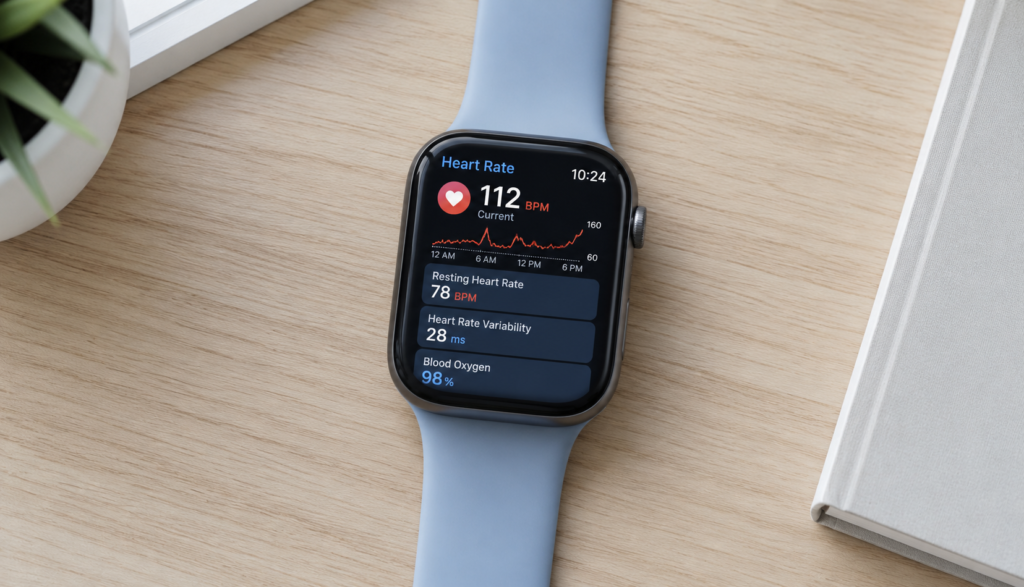
Cardiovascular health is one of the most consistently documented casualties of chronic sleep deprivation. People who regularly sleep fewer than 6 hours per night have significantly elevated risk of hypertension, coronary heart disease, and stroke compared to those meeting recommended sleep thresholds. The mechanism involves multiple pathways — elevated cortisol levels from insufficient sleep increase blood pressure directly, chronic inflammatory markers rise with sleep loss and damage arterial walls over time, and the heart rate variability patterns that indicate cardiovascular resilience deteriorate measurably with sustained sleep debt.
Metabolic health takes an equally serious hit. Sleep deprivation disrupts insulin sensitivity — after just a few nights of insufficient sleep, the body’s ability to regulate blood glucose becomes impaired in ways that mirror pre-diabetic states. Ghrelin, the hunger-stimulating hormone, rises with sleep loss while leptin, the satiety hormone, falls — producing increased appetite, stronger cravings for high-calorie food, and reduced ability to feel full after eating. This hormonal shift is not willpower-based. It’s a direct physiological consequence of insufficient sleep that makes weight management significantly harder regardless of dietary discipline.
Most people overlook this completely: the immune system’s ability to mount and sustain an effective response to infection is directly dependent on adequate sleep. Studies exposing sleep-deprived and well-rested participants to the common cold virus found that those sleeping under 6 hours were over four times more likely to develop an infection than those sleeping 7 or more hours. During sleep, the immune system produces cytokines — signaling proteins that coordinate the immune response — and that production drops measurably with sleep loss. Vaccine efficacy is also reduced in sleep-deprived individuals, with antibody production after vaccination significantly lower than in well-rested controls.
Hormone regulation across multiple systems is disrupted by insufficient sleep. Growth hormone release — which peaks during deep sleep and drives tissue repair, muscle recovery, and cellular maintenance — is directly reduced when slow wave sleep is cut short. Testosterone levels drop measurably with chronic sleep loss in men. Cortisol dysregulation from persistent sleep deprivation creates a feedback loop where elevated stress hormones make sleep harder to achieve, which further elevates cortisol, which further degrades sleep quality. Breaking this cycle requires addressing both sleep duration and the hormonal environment simultaneously.
How Sleep Deprivation Affects Mood and Mental Health
The relationship between sleep deprivation and mental health runs in both directions — poor sleep worsens mental health, and poor mental health worsens sleep — but the physiological effects of sleep loss on mood are distinct from clinical mental health conditions and worth understanding separately. A single night of insufficient sleep produces measurable increases in anxiety, irritability, and emotional reactivity in otherwise healthy people. Sustained sleep debt produces persistent mood dysregulation that is indistinguishable from mild depression in its presentation but has a different primary cause.
Sleep deprivation specifically impairs the brain systems responsible for emotional regulation. The prefrontal cortex loses regulatory control over the amygdala, meaning emotional responses that would normally be modulated by rational assessment come through unfiltered. Small frustrations become significant irritants. Neutral social interactions are interpreted as threatening or hostile. The capacity for patience, empathy, and perspective — all prefrontal functions — degrades proportionally with sleep debt. People around you notice before you do.
The first time I really mapped this connection clearly was during a period of tracking both sleep duration and a daily mood rating across 60 days. The correlation was stronger than I expected — mood ratings on days following nights under 6.5 hours were consistently lower by a measurable margin regardless of what had happened that day. The external events felt like the explanation. The sleep data told a different story. Mood is downstream of sleep far more directly than most people realize, and treating mood problems without addressing sleep patterns is addressing the symptom while leaving the primary driver untouched.
Chronic sleep deprivation is a significant risk factor for the development of clinical anxiety and depression, not merely a symptom of them. The neurological changes produced by sustained sleep loss — reduced serotonin availability, elevated cortisol, impaired prefrontal function — create conditions that directly increase vulnerability to mood disorders. Sleep deprivation recovery doesn’t fully reverse these changes quickly, which is why the mental health consequences of chronic sleep loss often persist for weeks after sleep is restored.
What Most People Don’t Know About Sleep Deprivation and Perceived Impairment
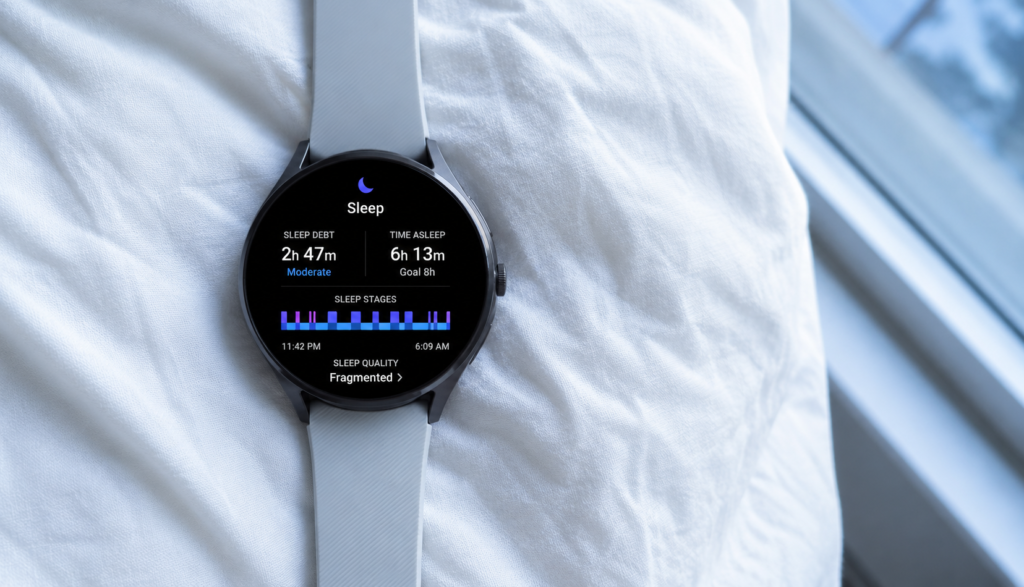
The most dangerous aspect of chronic sleep deprivation is not how impaired it makes you — it’s how accurately impaired you believe you are. Research consistently shows that as sleep debt accumulates over days and weeks, subjective ratings of sleepiness plateau while objective measures of performance continue declining. People sleeping 6 hours per night for two weeks report feeling only slightly tired by day ten, while their measured cognitive performance has reached the equivalent of 48 hours of total sleep deprivation. The subjective experience of adaptation is not matched by any actual physiological adaptation — performance simply continues deteriorating while the person’s ability to perceive that deterioration is itself impaired.
This creates a particularly insidious situation for sleep deprivation recovery. Because people underestimate how impaired they are, they also underestimate how much recovery they need. A single recovery weekend following weeks of short nights produces a subjective improvement in how people feel that far outpaces the actual cognitive recovery, which takes significantly longer. People return to their normal schedules believing they have recovered fully when their performance metrics remain substantially below baseline. Running your sleep numbers through our Sleep Debt Calculator and tracking actual sleep debt accumulated over weeks gives a more honest picture than subjective energy levels alone.
From experience, the most reliable indicator of accumulated sleep debt is not daytime fatigue — it’s performance on tasks requiring sustained attention and working memory. When things that normally feel easy start requiring unusual effort, when small decisions take longer than they should, when reading comprehension or complex problem-solving feels harder than usual — these are the signals worth taking seriously. They appear before the fatigue becomes obvious and disappear last during recovery.
How to Start Reversing Sleep Deprivation Effects
Sleep deprivation recovery is not a single night event. Research on recovery from chronic sleep debt shows that cognitive performance takes several days of adequate sleep to return to true baseline, and some markers — particularly inflammatory indicators and hormonal balance — can take weeks to fully normalize after extended periods of sleep loss. The implication is that recovery needs to be treated as a sustained commitment rather than a weekend fix, and that the subjective feeling of being recovered will arrive before actual physiological recovery is complete.
The most effective starting point is a fixed, non-negotiable wake time combined with a gradually earlier bedtime — moving the sleep window back by 15 to 30 minutes every few days rather than attempting an abrupt shift. This approach rebuilds the homeostatic sleep drive incrementally, avoids the circadian disruption of sudden schedule changes, and produces more consolidated, deeper sleep per night than attempting to simply add hours without addressing sleep architecture.
If you’re dealing with chronic sleep issues that have persisted for months with real consequences to your health, mood, or cognitive function, a doctor or sleep specialist is always worth consulting — particularly to rule out underlying conditions like sleep apnea that prevent adequate sleep regardless of how much time is spent in bed. Addressing sleep deprivation effects properly starts with understanding whether the deprivation itself is behavioral, environmental, or medical in origin, because the intervention that works depends entirely on which category applies.
FAQ
A: Sleep deprivation produces impaired cognitive function, reduced memory consolidation, emotional dysregulation, weakened immune response, cardiovascular stress, metabolic disruption including insulin resistance, elevated cortisol levels, and progressive decline in reaction time and decision making. These effects accumulate with each night of insufficient sleep and worsen without genuine recovery.
A: Measurable cognitive impairment appears after a single night of insufficient sleep. Emotional reactivity increases within 24 hours of inadequate sleep. Immune function begins declining after two to three nights of sleep loss. Metabolic disruption including insulin resistance emerges within a week of chronic short sleep. The effects compound with each subsequent short night regardless of subjective adaptation.
A: Yes — chronic sleep deprivation is both a risk factor for and a driver of anxiety and depression, not merely a symptom of them. Sleep loss reduces serotonin availability, elevates cortisol, amplifies amygdala reactivity, and impairs prefrontal regulation of emotional responses — creating neurological conditions that directly increase vulnerability to mood disorders beyond what stress or circumstance alone would produce.
A: Sleep deprivation significantly reduces the immune system’s ability to respond to infection. Cytokine production drops with insufficient sleep, reducing the immune response to pathogens. People sleeping under 6 hours are more than four times more likely to develop infections when exposed to common cold viruses compared to those getting 7 or more hours. Vaccine efficacy is also measurably reduced in sleep-deprived individuals.
A: Subjective energy often recovers after one to two nights of adequate sleep, but objective cognitive performance takes several days to return to true baseline after chronic sleep debt. Inflammatory markers and hormonal balance can take weeks to fully normalize after extended sleep deprivation. Recovery requires sustained adequate sleep rather than a single catch-up night to genuinely reverse the physiological effects.
A: Yes — directly and through multiple mechanisms. Sleep loss increases ghrelin, the hunger hormone, while reducing leptin, the satiety hormone, producing increased appetite and stronger cravings for high-calorie food. It also impairs insulin sensitivity and disrupts metabolic health in ways that make weight regulation harder regardless of dietary choices. These are physiological effects, not willpower failures.
A: Yes — acutely and chronically. Acute sleep deprivation produces microsleeps and reaction time impairment comparable to legal intoxication, making driving and high-attention tasks genuinely dangerous. Chronic sleep deprivation is associated with significantly elevated long-term risk of cardiovascular disease, metabolic disorders, cognitive decline, and mortality. The risks scale with both the severity and duration of sleep loss.
The Effects Are Real Whether You Feel Them or Not

Sleep deprivation effects don’t wait for you to notice them. They’re operating on your cardiovascular system, your immune response, your hormonal balance, and your brain function whether your subjective energy level reflects it or not. The most important shift you can make is to stop using how you feel as the primary measure of whether your sleep is adequate and start looking at what the evidence says about what chronic sleep loss actually does. The data is consistent and the direction is clear — adequate sleep is not optional infrastructure. It is the foundation everything else runs on.