

Eight hours gets repeated so often as the universal sleep target that most people never question whether it actually applies to them specifically. The real answer is more nuanced and considerably more useful than a single number — sleep needs vary meaningfully by age, have a genuine individual range even within the same age group, and are influenced by factors like activity level, health status, and accumulated sleep debt that a flat recommendation can’t account for. Understanding the actual range for your situation, rather than anchoring to a single average, is what makes sleep guidance genuinely actionable.
The research behind sleep duration recommendations comes primarily from large population studies correlating reported sleep duration with health outcomes, cognitive performance, and mortality risk. These studies consistently identify a range — not a single point — where outcomes are best, and that range shifts substantially across the lifespan as the body’s biological need for sleep changes with age. The 8-hour figure that dominates popular discussion is essentially the midpoint of the adult range, useful as a starting reference but not a precise individual target.
I’ve gone through the National Sleep Foundation guidelines and the underlying research they’re based on because the gap between the simplified “8 hours” message and the actual nuanced data is significant enough to matter. Knowing where your specific age and circumstances fall within the real range gives you a far more useful target than treating 8 hours as a rigid universal rule that everyone should be hitting exactly.
Sleep Needs by Age: Why the Range Shifts So Dramatically
Sleep duration requirements change more across the lifespan than almost any other basic physiological need, and the magnitude of that change reflects genuinely different biological processes happening at each stage rather than simply less or more tiredness. Newborns require 14 to 17 hours of sleep across a 24-hour period, reflecting the extraordinary amount of brain development, growth, and neural pruning happening in early infancy — processes that occur disproportionately during sleep, particularly during the active sleep stage that dominates newborn sleep architecture. This requirement drops gradually but remains substantial through early childhood, with toddlers needing 11 to 14 hours and preschoolers 10 to 13 hours, again reflecting continued rapid brain development and the consolidation processes that childhood sleep specifically supports.
School-age children need 9 to 11 hours, and this is an age range where insufficient sleep produces particularly visible consequences in cognitive function, emotional regulation, and behavior that often get misattributed to other causes. Teenagers present one of the more counterintuitive cases in sleep science — they need 8 to 10 hours, only slightly less than younger children, but their circadian rhythm undergoes a genuine biological shift during puberty that delays their natural sleep onset time by one to two hours compared to younger children and adults. This means a teenager who can’t fall asleep before 11pm or midnight isn’t simply being difficult or undisciplined — their circadian biology has shifted in a way that makes earlier sleep onset genuinely harder to achieve, even though their total sleep need remains high. Early school start times conflicting with this biological delay are a significant and well-documented contributor to teenage sleep deprivation.
Adults need 7 to 9 hours, the range most commonly cited in general sleep advice, though this 2-hour spread itself represents meaningful individual variation rather than measurement imprecision — some adults function and thrive consistently on 7 hours while others genuinely need closer to 9 to feel and perform at their best, both falling within the healthy range without either being wrong. Older adults, generally 65 and above, see a modest reduction to 7 to 8 hours, though this comes with an important caveat: older adults often experience more fragmented sleep architecture, with lighter sleep and more frequent brief wakings, meaning the total time in bed needed to achieve that 7 to 8 hours of actual sleep may need to be somewhat longer than for younger adults with more consolidated sleep.
Why the Adult Range Has a 2-Hour Spread Instead of One Number
The 7 to 9 hour range for adults isn’t measurement uncertainty — it reflects genuine biological variation in individual sleep need that research has consistently identified across large populations. Some of this variation traces to genetics, with certain gene variants associated with measurably different sleep duration requirements independent of lifestyle or health factors. The DEC2 gene variant, studied in a small population of confirmed genetic short sleepers, allows some individuals to function well on 4 to 6 hours of sleep without the cognitive impairment that sleep restriction produces in the general population — but this variant is genuinely rare, affecting an estimated 1 to 3 percent of people, meaning the vast majority of people who believe they’re short sleepers are actually just adapted to chronic sleep deprivation rather than genuinely needing less sleep.
Activity level and physical demands also shift individual sleep need within the broader range. People engaged in intensive physical training, recovering from illness or injury, or experiencing significant cognitive demands from work or study often need sleep duration toward the higher end of their personal range, because both physical repair processes during deep sleep and cognitive consolidation during REM sleep scale somewhat with the demands placed on the body and brain during waking hours. This is part of why athletes in training periods frequently report needing and benefiting from 9 or more hours, even as adults with more sedentary routines function well on 7.
What surprised me researching this variation was how much sleep need also fluctuates within the same individual across different periods of life and health status, rather than being a fixed number even for a given person. Periods of illness, significant stress, intensive learning, or physical recovery all increase sleep need temporarily, and recognizing this fluctuation as legitimate rather than as a sign of laziness or poor discipline is an important shift in how to interpret your own sleep requirement rather than holding yourself to a single static number regardless of circumstances.
How to Identify Your Personal Number Within the Recommended Range
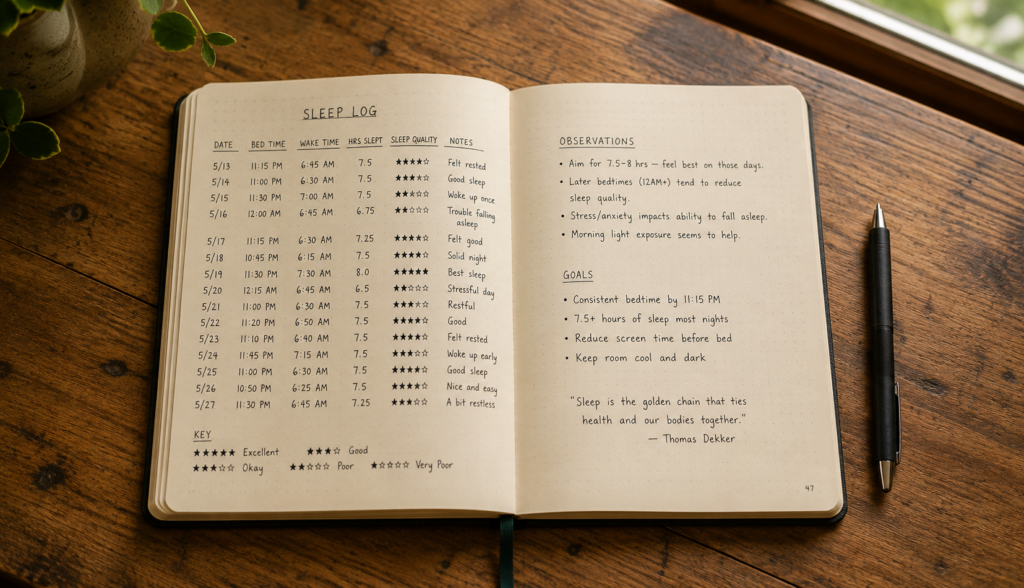
The most reliable method for identifying your specific sleep need within your age-appropriate range is removing external time pressure entirely for a sustained period and observing what your body naturally settles into. This typically means a week or more without alarms, ideally during a period without significant accumulated sleep debt from a prior stretch of insufficient sleep, since existing sleep debt will initially inflate the amount of sleep your body takes as it pays down that deficit before settling into your genuine baseline need.
During this observation period, the relevant metric isn’t just total sleep duration but how you feel and function during subsequent waking hours — genuine alertness without needing caffeine to function, stable mood, an absence of microsleep episodes, and no urge to nap are stronger indicators of adequate sleep than the raw hours number alone.
Someone who naturally sleeps 7.5 hours and reports feeling consistently sharp and stable has found their number. Someone sleeping 8 hours but still experiencing significant afternoon fatigue and mental fog may need either more total sleep or improved sleep quality within those hours, since duration and quality are related but distinct factors in whether sleep needs are genuinely being met.
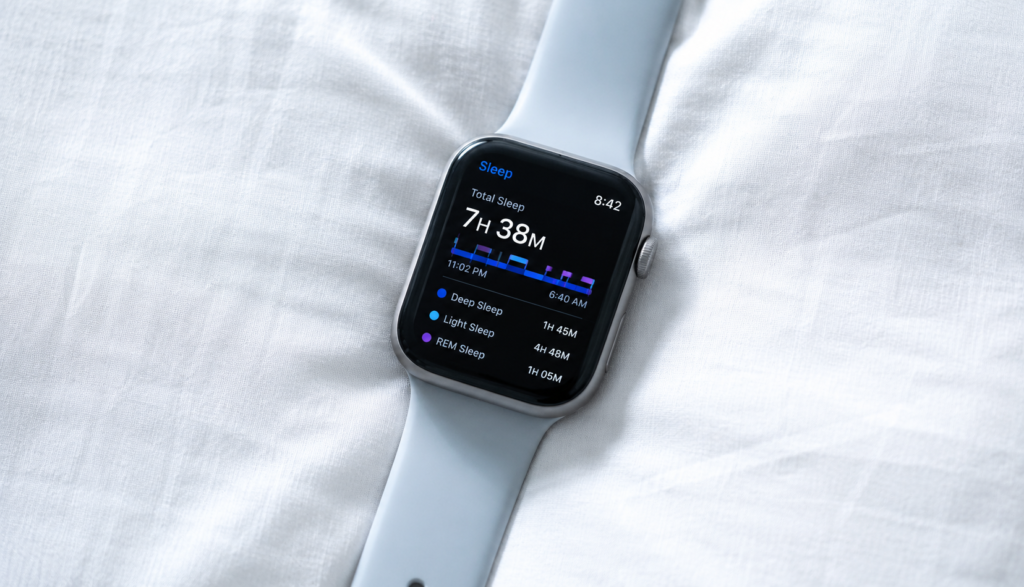
Running your data through a sleep calculator that accounts for full sleep cycles, ideally combined with at least basic sleep tracking that shows deep sleep and REM percentages rather than just total duration, gives a more complete picture than total hours alone. Two people both averaging 7.5 hours can have meaningfully different sleep quality depending on how long each sleep cycle runs cleanly for them — one achieving consolidated, efficient cycles while the other experiences significant fragmentation, meaning the fragmented sleeper may genuinely need more total time in bed to extract the same quality of rest.
What Most People Don’t Know: Sleep Debt Changes What “Enough” Means Temporarily
Here’s something that complicates the simple question of how many hours you need: existing sleep debt — accumulated from weeks or months of insufficient sleep — temporarily inflates your sleep need above your true baseline as the body works to recover the deficit. Someone whose genuine baseline need is 7.5 hours but who has been sleeping 6 hours for several weeks will likely need 9 or more hours during an initial recovery period — you can check exactly how much using our Sleep Debt Calculator, since the accumulated deficit needs to be paid down before the baseline becomes visible again.
This recovery period typically takes several days to a couple of weeks depending on how severe and prolonged the original deficit was.
This matters practically because people often try to identify their “true” sleep need during a period when they’re carrying significant sleep debt, conclude they need far more sleep than they actually do long-term, and then feel like they’re failing when they can’t sustain that elevated number indefinitely. The more accurate approach is to allow the recovery period to fully complete — typically signaled by sleep duration naturally stabilizing at a consistent number for several consecutive days without an alarm — before concluding what your actual baseline sleep requirement is. Measuring during active sleep debt recovery gives you a temporarily inflated number, not your genuine ongoing need.
From experience looking at how this plays out, the practical implication is to be patient with the measurement process rather than concluding anything definitive from the first few nights of an alarm-free observation period, particularly if you know you’ve been running a significant sleep deficit beforehand. The number that matters is the one your body settles into consistently after the debt has cleared, not the elevated number during the recovery phase itself.
Putting the Range Into Practice
Start with your age-appropriate range as a starting reference point rather than a rigid target — adults generally fall between 7 and 9 hours, with the specific number within that range determined by genetics, activity level, health status, and current sleep debt. Pay closer attention to how you function during the day than to whether you hit an exact number each night, since daytime alertness, mood stability, and cognitive performance are more meaningful indicators of whether your sleep is adequate than the raw duration alone.
If you suspect you’re a genetic short sleeper needing meaningfully less than 7 hours, be honest about how rare this actually is and test it properly through an extended alarm-free period rather than assuming based on how you currently feel while likely carrying some degree of adaptation to chronic sleep deprivation. True short sleepers represent a small percentage of the population, and most people who believe they belong to this group are running a sleep deficit they’ve simply normalized rather than genuinely requiring less rest.
If you’re consistently unable to identify a sleep duration that produces good daytime function, even after ruling out sleep debt and giving an alarm-free observation period adequate time to stabilize, a doctor or sleep specialist is always worth consulting — underlying conditions like sleep apnea or other sleep disorders can prevent restorative sleep regardless of how many hours you spend in bed, and identifying these issues requires assessment beyond self-directed observation alone.
FAQ

A: Most adults need between 7 and 9 hours of sleep per night, according to National Sleep Foundation guidelines. This 2-hour range reflects genuine individual variation in sleep need rather than measurement imprecision, with factors like genetics, activity level, and health status influencing where within that range a specific person falls.
A: Yes, significantly. Newborns need 14 to 17 hours, toddlers 11 to 14 hours, school-age children 9 to 11 hours, teenagers 8 to 10 hours, adults 7 to 9 hours, and older adults 7 to 8 hours. These changes reflect different biological processes, including brain development in childhood and changes in sleep architecture with aging.
A: Puberty causes a genuine biological shift in circadian rhythm timing that delays natural sleep onset by one to two hours compared to younger children and adults. This means teenagers who can’t fall asleep before 11pm or midnight are experiencing a real biological shift rather than simply resisting an earlier bedtime.
A: True genetic short sleepers exist but are rare, representing an estimated 1 to 3 percent of the population, typically associated with specific gene variants. Most people who believe they function well on less than 7 hours are actually adapted to chronic sleep deprivation rather than genuinely requiring less sleep.
A: Remove alarms for at least a week, ideally when you don’t have significant accumulated sleep debt, and observe what your body naturally settles into. Pay attention to daytime alertness and mood stability alongside total sleep duration, since both factors together indicate whether your sleep is genuinely adequate.
A: Yes — existing sleep debt temporarily increases sleep need above your true baseline as the body works to recover the deficit. This can make self-assessment misleading if measured during an active recovery period rather than after sleep duration has stabilized at a consistent number for several days.
A: For the vast majority of adults, no. Six hours falls below the recommended 7 to 9 hour range and is associated with measurable cognitive impairment, increased cardiovascular risk, and impaired immune function over time, even when people report feeling adapted to it.
Find Your Number Within the Range
The 8-hour rule is a reasonable starting point, but it was never meant to be a precise target for every individual. Your actual sleep need depends on your age, your biology, your activity level, and your current sleep debt — all of which shift the right number for you somewhere within the broader recommended range. Test it properly, pay attention to how you actually function during the day, and treat the number you land on as genuinely yours rather than comparing it against an average that was always meant to be a guideline rather than a rule.