
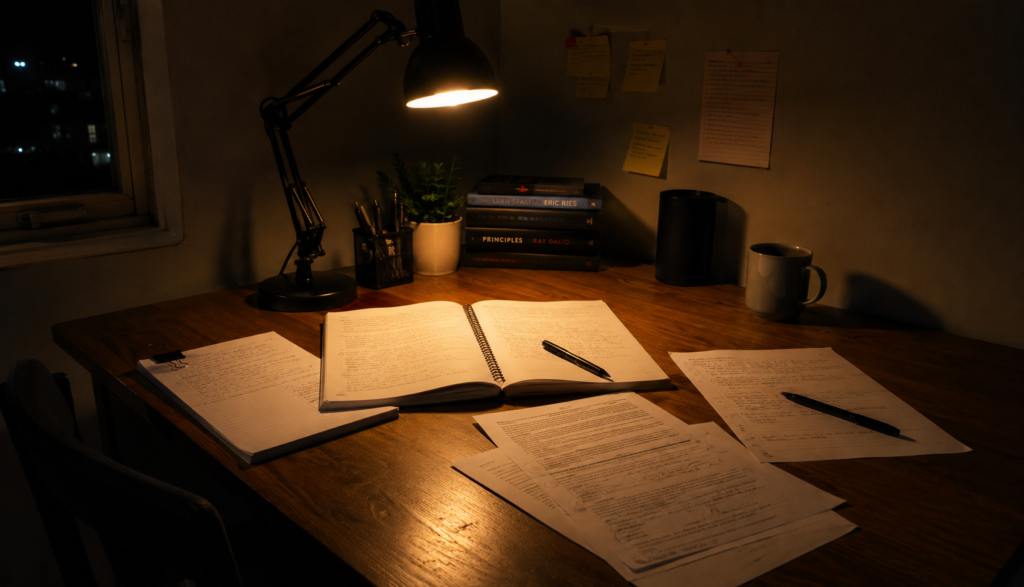
An all nighter is rarely a good idea in absolute terms — sleep is when memory consolidation happens, when the information studied or worked on gets transferred from short-term storage into longer-term retention, and skipping that process entirely undermines much of the point of the work being done through the night. That said, sometimes the deadline is what it is, the exam is tomorrow morning, and the question stops being whether to pull an all nighter and becomes how to do it with enough cognitive function intact to actually be useful rather than spending eight hours in a deteriorating fog producing work you’ll regret.
The difference between an all nighter that gets something done and one that produces eight hours of diminishing returns comes down almost entirely to how deliberately you manage the biological processes working against you. Adenosine accumulation, circadian rhythm troughs, core body temperature drops, and prefrontal cortex impairment all follow predictable patterns through the night — and working with that predictability rather than just brute-forcing consciousness through caffeine and willpower produces considerably better outcomes in terms of actual cognitive output.
I’ve tracked multiple extended wakefulness periods against sleep science research specifically because the generic “drink coffee and take cold showers” advice misses the most important levers. What actually keeps you functional through an all nighter involves understanding which hours are hardest, what the brain can and can’t do well under sleep deprivation, and how to structure the night to produce the best output from a system that is genuinely deteriorating regardless of how much you want it not to.
What Happens to Your Brain and Body Hour by Hour
The first several hours after your normal bedtime are typically manageable because the circadian alerting system — which actively promotes wakefulness during the biological day — remains partially active even as sleep pressure builds. The cortisol levels that support daytime alertness haven’t yet dropped as sharply as they will later in the night, and the adenosine buildup, while increasing, hasn’t yet reached the level that forces the most severe cognitive impairment. Cognitive function during this early window, while declining from baseline, remains sufficient for most moderate-complexity tasks if alertness is actively managed.
The period between roughly 2am and 5am represents the hardest window of any all nighter, combining two factors that compound severely. The circadian rhythm reaches its trough during these hours — the biological nadir where the drive for sleep is at its strongest and the alerting signals from the internal clock are at their weakest. Simultaneously, adenosine buildup has been accumulating for seventeen or more hours of continuous wakefulness, reaching levels that produce the same measurable sleep deprivation effects seen in chronic short sleepers — reduced decision-making capacity, working memory, and creative problem-solving, alongside sharply increased microsleep risk.
This is the window where most people either capitulate to sleep or produce their worst work of the night while believing they’re functioning adequately.
After roughly 6am, the circadian rhythm begins its morning recovery — melatonin drops, cortisol begins its morning rise, and core body temperature starts climbing from its overnight low. Alertness paradoxically improves somewhat during this window despite the continuing adenosine buildup, as the circadian alerting system re-engages. This is why people sometimes feel a second wind in the early morning after an all nighter — it’s not recovery from sleep deprivation, it’s the circadian rhythm doing its job regardless of whether sleep occurred. It’s real but temporary, and it fades again as the morning progresses without sleep.
The Strategic Use of Caffeine Across the Night

Caffeine is the most effective available tool for managing alertness through an all nighter, but its effectiveness depends almost entirely on how it’s timed rather than how much is consumed. Caffeine works by blocking adenosine receptors — it doesn’t clear the accumulated adenosine driving sleep pressure, it prevents the brain from detecting it — which means its alerting effect is real but temporary, and the adenosine it’s blocking is still present when the caffeine clears. Large doses consumed too early in the night produce tolerance effects that reduce effectiveness precisely when it’s most needed, in the 2am to 5am trough.
A more effective approach spaces caffeine consumption strategically rather than front-loading it. A moderate dose — equivalent to one standard cup of coffee — in the early part of the evening to assist the initial hours, followed by a more deliberate dose timed for the period just before the circadian trough begins around midnight to 1am, and a final dose in the early morning hours if extended wakefulness is needed past dawn. Caffeine’s half-life of five to seven hours means that large amounts consumed after midnight create significant problems for the recovery sleep that follows, extending the time it takes to fall asleep and reducing sleep quality during the crucial recovery period when the body needs to consolidate whatever was learned or worked on through the night.
Most people overlook this completely: caffeine’s effect on perceived alertness is consistently stronger than its effect on actual cognitive performance under significant sleep deprivation. After seventeen or more hours of wakefulness, caffeine can make you feel more alert without meaningfully restoring the prefrontal cortex function, reaction time, or working memory that sleep deprivation has impaired. This matters practically because feeling alert enough to work doesn’t mean working at a level that’s actually producing usable output — particularly for tasks requiring judgment, creativity, or complex reasoning that are exactly what most high-stakes all nighters involve.
Strategic Napping as the Most Powerful All Nighter Tool
A short nap taken strategically during an all nighter produces a larger cognitive benefit than caffeine alone and can meaningfully extend functional output into hours that would otherwise represent severe impairment. Using our Nap Calculator to time a 10 to 20 minute nap — short enough to avoid entering deep sleep, which would produce significant sleep inertia that takes 20 to 40 minutes to clear — partially reduces adenosine accumulation and provides a genuine, if temporary, restoration of alertness and cognitive capacity.
Timed for the period just before the 2am to 5am trough rather than at the deepest point of the trough itself, a strategic nap can reduce the severity of the hardest hours significantly.
The coffee nap — consuming caffeine immediately before a 15 to 20 minute nap — produces the strongest short-term alertness benefit available during an all nighter through a specific timing mechanism. Caffeine takes approximately 20 minutes to be absorbed and begin blocking adenosine receptors. If consumed immediately before sleeping, the caffeine begins taking effect approximately as the nap ends, combining the adenosine-clearing effect of even brief sleep with the adenosine-blocking effect of caffeine arriving simultaneously. The result is a more pronounced alertness window than either a nap or caffeine alone produces, without the sleep inertia of a longer nap since the nap duration is kept to the stage 2 window that avoids deep sleep onset.
From experience applying this during extended work periods, the difference between an all nighter with one well-timed 20-minute nap versus continuous wakefulness through the same hours is substantial in terms of actual output quality in the hours following the nap. The nap doesn’t feel like enough time to matter — that’s why most people skip it — but the neurological effect of even briefly clearing some adenosine and allowing the brain to cycle through a short stage 2 period is disproportionate to the time invested.
What Most People Don’t Know: Memory Consolidation Doesn’t Wait
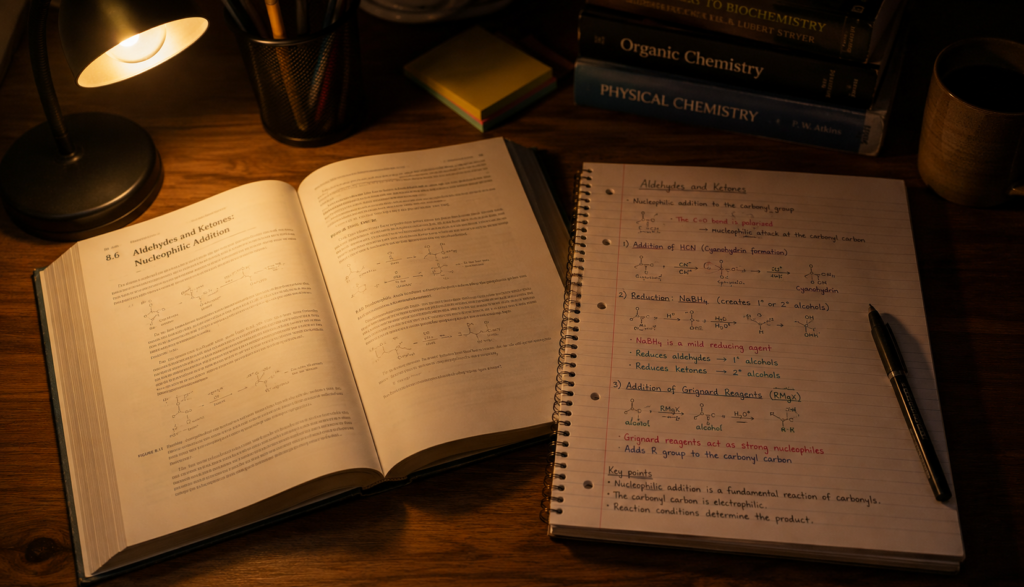
Here’s the most important piece of information about all nighters that almost never gets discussed alongside the alertness strategies: memory consolidation — the process by which information studied or worked on during the night is transferred from fragile short-term storage into more stable long-term retention — occurs disproportionately during sleep, and specifically during the sleep stages that follow learning. An all nighter before an exam means studying material that has no opportunity to consolidate before the exam occurs, putting the brain in the position of relying entirely on fragile, short-term hippocampal storage rather than the more robust consolidated memory that one night of adequate sleep would have produced.
This means that studying effectively for six hours and sleeping for six hours frequently produces better exam performance than studying for twelve hours without sleeping, because the sleep-consolidated version of the studied material is more reliably accessible under the stress and cognitive load of an exam than the unconsolidated, sleep-deprived version. The additional study hours in the all nighter are competing against both consolidation loss and the active cognitive impairment of sleep deprivation during the exam itself — a compounding deficit that often outweighs the additional study time. Understanding this doesn’t always change the reality of an imminent deadline, but it does change how an all nighter should be approached — prioritizing the most critical material first, when cognitive function is highest, rather than working linearly through everything with declining quality throughout the night.
Light, Temperature, and Body Management Through the Night
Bright light exposure — from screens, overhead lighting, or ideally a dedicated bright light source — is one of the most effective non-pharmacological tools for maintaining wakefulness during an all nighter. Light suppresses melatonin production and signals the suprachiasmatic nucleus to maintain wakefulness, partially counteracting the circadian trough that makes the 2am to 5am window so difficult. Keeping the work environment brightly lit, particularly during the hardest hours, produces measurable improvement in alertness compared to working in a dim environment where melatonin suppression is less complete.
Core body temperature management matters for maintaining alertness because the body’s temperature drops toward its overnight minimum during the all nighter trough, and that temperature drop is directly associated with increased sleep pressure and reduced cognitive function. Keeping the work environment slightly cool rather than warm works counterintuitively — a warm room accelerates the sleepiness associated with the temperature drop, while a slightly cool environment requires the body to maintain slightly higher metabolic activity to stay warm, supporting wakefulness. Brief physical movement — standing, walking, light exercise — raises core body temperature temporarily and provides a short but measurable alertness boost that sedentary work in a warm environment doesn’t provide.
Hydration deserves mention not because dehydration causes sleep deprivation symptoms specifically, but because even mild dehydration compounds the cognitive impairment from sleep loss in ways that are entirely avoidable. The combination of sleep deprivation impairment and dehydration-related cognitive fog produces worse output than either alone, and staying well hydrated through the night is a simple variable to control that removes one avoidable layer of impairment from an already compromised cognitive state. If sleep deprivation from all nighters is becoming a regular pattern rather than a rare exception, a doctor or sleep specialist is always worth consulting, since chronic sleep debt accumulates consequences that extend well beyond the immediate all nighter experience.
Recovery After an All Nighter: How to Do It Right
Recovery sleep after an all nighter is most effective when it’s structured to maximize restorative sleep stages rather than simply sleeping as long as possible. The brain’s rebound response to sleep deprivation prioritizes slow wave sleep above other stages, meaning the first recovery sleep after an all nighter will be significantly richer in deep sleep than a normal night — which is exactly what the body needs, and why a single good recovery night often produces a more dramatic improvement in function than the depth of the preceding impairment might suggest.
Timing the recovery sleep to begin at or before your normal bedtime, and waking at your usual best time to wake up rather than sleeping through the day and disrupting the following night’s sleep, produces better overall recovery by allowing the circadian rhythm to stay anchored to its normal schedule.
Sleeping from a normal bedtime through a normal wake time the following day — even if this means only 8 to 10 hours of recovery sleep rather than 12 — maintains circadian alignment and prevents the secondary disruption of a shifted sleep schedule adding to the recovery burden. Using a sleep calculator to identify the optimal sleep window for recovery based on your individual sleep need helps ensure the recovery period is long enough to meaningfully address the accumulated debt without creating a new circadian disruption that extends the recovery timeline unnecessarily.
FAQ: How to Pull an All Nighter

A: Strategic caffeine timing, a well-timed 20-minute nap before the hardest hours, bright light exposure, keeping the environment cool, and regular brief movement produce the most sustained cognitive function across an all nighter. Front-loading caffeine and relying on willpower alone typically produces severe impairment during the 2am to 5am trough regardless of initial alertness.
A: Yes — a single all nighter produces measurable impairment in cognitive function, reaction time, decision making, and immune function comparable to legal intoxication after 24 hours of wakefulness. Memory consolidation for material studied during the night is also significantly impaired. Occasional all nighters followed by adequate recovery sleep are survivable; regular all nighters accumulate serious health consequences.
A: Yes — a 10 to 20 minute nap timed before the circadian trough provides a genuine cognitive benefit that caffeine alone cannot replicate. A coffee nap — caffeine consumed immediately before the nap — combines the adenosine-clearing effect of brief sleep with caffeine’s receptor-blocking effect timed to arrive as the nap ends, producing stronger alertness than either approach alone.
A: Space caffeine strategically rather than front-loading it — moderate doses timed for the early evening, around midnight to 1am, and optionally in the early morning if needed. Avoid large doses after midnight to prevent caffeine interfering with the recovery sleep that follows. Caffeine’s five to seven hour half-life means late-night doses significantly delay and degrade subsequent recovery sleep.
A: The 2am to 5am window is consistently the most difficult, combining the circadian rhythm’s overnight trough — when the biological drive for sleep peaks — with extended adenosine accumulation from prolonged wakefulness. Cognitive function reaches its lowest point during this window, making it the highest-risk period for microsleep and the lowest-quality work of the night.
A: Begin recovery sleep at or before your normal bedtime rather than sleeping through the day, to keep the circadian rhythm anchored to its normal schedule. The brain’s rebound response prioritizes slow wave sleep during recovery, meaning a single good recovery night produces significant restoration. Avoid making all nighters a regular pattern as cumulative sleep debt accumulates consequences beyond single-night recovery.
A: Usually not. Memory consolidation occurs primarily during sleep, meaning studied material that doesn’t get a consolidation sleep before an exam relies on fragile short-term storage. Six hours of studying followed by six hours of sleep frequently produces better exam performance than twelve hours of studying without sleep, because consolidated memory is more reliably accessible under exam conditions than unconsolidated, sleep-deprived recall.
Do It Right or Don’t Do It at All
An all nighter without a strategy produces the worst of both worlds — the sleep deprivation costs without the productive output that justifies them. Time your caffeine, take the nap you think you don’t have time for, keep the environment bright and cool, and front-load your most critical work into the hours before the circadian trough hits. Then recover properly with sleep starting at your normal bedtime, not a late-afternoon crash that disrupts the next night’s sleep on top of everything else. The all nighter is already a compromise — at least make it a functional one.