

A sleep schedule that’s drifted out of alignment with normal waking life — falling asleep at 3am, waking at noon, or some other pattern that doesn’t match work, school, or social obligations — is one of the most common sleep complaints, and also one of the most frequently mishandled. The instinct is almost always to try forcing an early bedtime the very next night, staying in bed for hours hoping sleep will eventually arrive earlier than the body is used to. This approach fails for nearly everyone, and understanding why it fails is the first step toward an approach that actually works.
Sleep schedule problems are fundamentally circadian rhythm problems, not willpower problems. The body’s internal clock, which governs when you feel sleepy and when you feel alert, doesn’t shift instantly just because you’ve decided you want it to. It responds to specific external signals — primarily light exposure — on a predictable but gradual timeline, and the most effective methods for fixing a sleep schedule work with that timeline rather than fighting against it through forced early bedtimes that the circadian system isn’t yet ready to support.
I’ve researched the chronobiology literature on circadian realignment extensively because the gap between what people instinctively try and what the actual science supports is significant. The methods that work are more structured and somewhat slower than people want, but they produce durable results rather than the one-week improvement followed by relapse that characterizes most informal attempts to “just go to bed earlier.”
Why Forcing an Earlier Bedtime Almost Always Fails
The homeostatic sleep drive — the pressure to sleep that builds throughout the day based on adenosine accumulation in the brain — only reaches a level sufficient to produce sleep onset after a certain number of hours of wakefulness. If your body has been awake until 3am and asleep until 11am for weeks, your homeostatic sleep drive has calibrated to that pattern. Attempting to fall asleep at 10pm the following night, before that drive has had time to build sufficiently, typically results in lying awake for hours, growing increasingly frustrated, and reinforcing exactly the kind of conditioned arousal around the bed that makes future sleep onset harder rather than easier.
The circadian rhythm compounds this problem because it isn’t simply a passive clock waiting to be reset — it’s an active system that’s been calibrated by your light exposure patterns to expect sleepiness and alertness at specific times. Melatonin production, which signals the approach of the body’s biological night, has been timed to your existing schedule through weeks or months of light exposure patterns. Trying to sleep three or four hours earlier than your circadian rhythm currently expects means attempting sleep onset before your melatonin has begun its rise — your body genuinely isn’t prepared for sleep yet at that clock time, regardless of how tired you feel from accumulated sleep debt.
Most people overlook this completely: the failure of “just go to bed earlier” isn’t a discipline problem, it’s a mismatch between two systems — homeostatic sleep drive and circadian timing — that both need to shift together, and forcing one without the other produces a night of frustration rather than earlier sleep. This is why successful schedule changes require both managing the homeostatic drive deliberately and shifting the circadian rhythm using its primary input, which is light, rather than attempting to override either system through sheer intention alone.
The Light Exposure Strategy That Actually Shifts Your Circadian Rhythm
Light is the single most powerful signal the circadian system uses to set its timing, more influential than meal timing, exercise, or any other behavioral cue available. Morning light exposure — ideally bright natural sunlight within the first hour of waking — is the most effective tool for shifting a delayed sleep schedule earlier, because morning light exposure advances the circadian clock, essentially telling the body that the day has started earlier than its current internal timing expects. Consistent morning light exposure at a progressively earlier clock time each day is the core mechanism behind most successful schedule-shifting protocols.
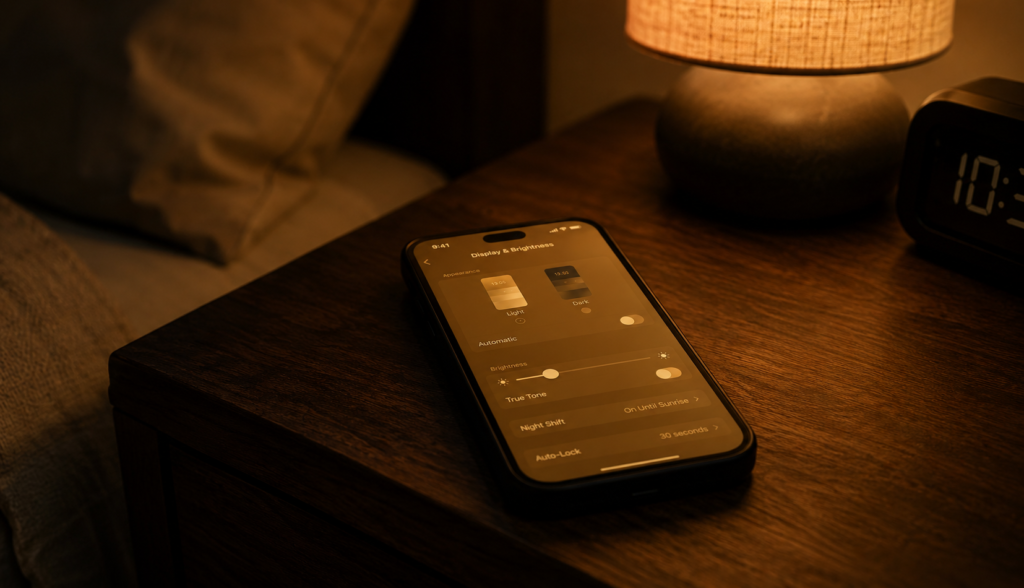
Evening light exposure works in the opposite direction and needs to be deliberately reduced as part of any schedule-fixing strategy. Bright light, and blue light exposure from screens specifically, in the hours before your target bedtime delays melatonin production and pushes the circadian clock later — directly working against the shift you’re trying to achieve. For someone trying to move their schedule earlier, reducing light exposure, particularly blue light, for two to three hours before the target sleep time removes a significant obstacle that would otherwise counteract the morning light strategy.
The practical application combines both ends of this light exposure principle simultaneously. Each day, wake up at a consistent time — even before sleep has fully adjusted, which initially means accepting some sleep deprivation in the short term — and get bright light exposure immediately upon waking to anchor the best time to wake up for your target schedule, ideally outdoors or from a bright light source if natural daylight isn’t available at that hour.
In the evening, dim lights and eliminate screens in the hours before the target bedtime, using night mode settings or blue light blocking glasses if screen use can’t be avoided entirely. This dual light strategy, sustained consistently, shifts the circadian rhythm by roughly 15 to 30 minutes per day in most chronobiology protocols, meaning a schedule shift of several hours typically takes one to two weeks of consistent application rather than a single dramatic overnight change.
Gradual Versus Abrupt Schedule Shifts and Why Timing the Adjustment Matters
Shifting bedtime and wake time in small, consistent increments — typically 15 to 30 minutes earlier every one to three days — produces far more sustainable results than attempting a large jump all at once, because it allows both the homeostatic sleep drive and the circadian rhythm to adjust incrementally rather than creating the severe mismatch that an abrupt change produces. A person trying to shift from a 3am bedtime to a 10pm bedtime in one attempt is asking both systems to move five hours in a single night, which essentially never works and typically results in reverting to the old pattern within days out of sheer frustration.
The direction of the shift also matters significantly for how difficult the adjustment will be. Shifting a sleep schedule earlier — moving bedtime and wake time to earlier clock times — is consistently harder than shifting it later, because it works against the body’s natural tendency, which without external time cues drifts toward a slightly longer-than-24-hour day, making delays easier than advances. This is why jet lag traveling eastward, which requires advancing the schedule, is reliably harder to adjust to than traveling westward, which requires delaying it. Anyone trying to fix a delayed sleep schedule — the most common pattern people are trying to correct — is working against this natural tendency and should expect the process to require more deliberate effort and consistency than intuition might suggest.
From experience reviewing case studies on this, the most successful schedule corrections treat the adjustment period as a defined project with a clear timeline rather than an open-ended struggle. Setting a specific target schedule, calculating the daily shift increment needed to reach it within a reasonable window — typically one to three weeks depending on how large the total shift is — and tracking progress against that plan produces meaningfully better adherence than an unstructured “try to go to bed earlier” approach without a defined endpoint or daily increment.
What Most People Don’t Know About Naps and Weekend Schedules During the Fix

Here’s something that undermines schedule correction efforts more than people realize: napping during the adjustment period, even briefly, can significantly reduce the homeostatic sleep drive that’s necessary for falling asleep at the new, earlier target bedtime. A nap in the afternoon or evening releases some of the accumulated adenosine that would otherwise be driving sleep pressure toward the target bedtime, meaning the very tiredness that should be helping you fall asleep earlier gets partially relieved by the nap, making the evening sleep onset harder rather than easier. During an active schedule correction, avoiding naps entirely — even when significantly sleep deprived from the adjustment process — produces faster and more reliable results than allowing naps that provide short-term relief but undermine the overall correction.
Weekend schedule consistency is equally important and equally overlooked. A common pattern is successfully shifting the schedule earlier during the work week, then reverting to a later bedtime and wake time on weekends when there’s no external obligation forcing the earlier wake time. This produces a pattern chronobiologists call social jet lag — essentially recreating mini jet lag twice weekly as the circadian rhythm gets pulled back toward the old pattern on weekends and then has to readjust again each week. This weekend reversion is one of the most common reasons people report that they “fixed” their sleep schedule temporarily but it never seems to stick long-term — the weekend pattern is actively undoing the weekday progress on a recurring basis rather than the correction failing outright.
Maintaining the same wake time within roughly 30 minutes across all seven days, including weekends, during both the active correction period and afterward as a maintenance practice, is one of the highest-leverage single habits for keeping a corrected schedule stable long-term. This doesn’t mean weekends can’t include different activities or later social plans — it specifically means the wake time, which anchors the circadian rhythm most strongly of any single behavior, stays consistent regardless of what the rest of the day’s schedule looks like.
Practical Steps for Implementing a Schedule Correction
Start by determining your target schedule based on actual life requirements — work start time, school, or other fixed obligations — and calculate backward to identify what time you should go to bed for adequate sleep duration, typically 7 to 9 hours for most adults.
Compare this target to your current schedule to determine the total shift needed and divide it into daily increments of 15 to 30 minutes, creating a specific day-by-day plan rather than a vague intention to “sleep earlier.”
Each morning during the correction, wake at the planned time for that day regardless of how much sleep you actually got the previous night, and get bright light exposure immediately — outdoor sunlight is ideal, but a bright light therapy device works as an alternative when natural light isn’t available at the required hour. This consistent wake time and light exposure is the primary driver of the circadian shift and matters more than any single evening behavior in determining how quickly the adjustment progresses.
In the evening, begin dimming lights and reducing blue light exposure two to three hours before that day’s target bedtime, avoid caffeine after early afternoon since its six to seven hour half-life can interfere with sleep onset even when consumed well before the target bedtime, and avoid exercise within a few hours of the target bedtime since vigorous activity raises core body temperature and alertness in ways that work against sleep onset during this sensitive adjustment window. Using our Sleep Schedule Maker to map out your specific daily targets across the full correction period gives you a concrete schedule to follow rather than relying on memory or rough estimates of how much you’ve shifted so far.
If sleep schedule problems persist despite consistent application of light exposure timing and gradual shifts over several weeks, or if the pattern resembles a diagnosed circadian rhythm disorder such as delayed sleep phase syndrome, a doctor or sleep specialist is always worth consulting — these conditions sometimes require additional interventions like timed melatonin supplementation or light therapy protocols beyond what self-directed light exposure management alone can achieve.
FAQ

A: Most circadian rhythm adjustments take one to two weeks using a gradual shift of 15 to 30 minutes per day, depending on the total size of the shift needed. Larger shifts, such as several hours, take longer than smaller adjustments. Attempting an abrupt large shift in a single night rarely succeeds and typically requires restarting with a gradual approach.
A: Going to bed earlier without first shifting your circadian rhythm and managing homeostatic sleep drive typically results in lying awake for hours, because your body’s internal clock and accumulated sleep pressure haven’t yet adjusted to support sleep onset at that earlier time. Light exposure timing is the more effective lever for actually shifting the underlying systems.
A: Yes — light is the most powerful signal the circadian rhythm uses to set its timing. Bright morning light exposure shifts the clock earlier, while reducing evening light, particularly blue light from screens, prevents the clock from being pushed later. Consistent application of both produces measurable circadian shifts within days to weeks.
A: The body’s natural circadian tendency, without external cues, drifts toward a slightly longer day, making delays easier to accommodate than advances. This is the same reason eastward jet lag, which requires advancing the schedule, is reliably harder to adjust to than westward jet lag, which requires delaying it.
A: Generally no. Napping during an active schedule correction reduces the homeostatic sleep drive needed to fall asleep at the new target bedtime, undermining the adjustment. Avoiding naps, even when significantly sleep deprived during the correction period, typically produces faster and more durable results.
A: Reverting to a later wake time on weekends recreates a pattern called social jet lag, pulling the circadian rhythm back toward the old schedule and requiring readjustment each week. Maintaining a consistent wake time within about 30 minutes across all seven days is essential for keeping a corrected schedule stable long-term.
A: If schedule correction efforts using consistent light exposure and gradual shifts over several weeks don’t produce improvement, or if the pattern resembles a diagnosed circadian rhythm disorder like delayed sleep phase syndrome, a doctor or sleep specialist can offer additional interventions such as timed melatonin or structured light therapy protocols.
Work With the System, Not Against It
Fixing a broken sleep schedule isn’t about forcing an earlier bedtime through willpower alone — it’s about deliberately shifting the circadian rhythm using light exposure as the primary tool, managing homeostatic sleep drive by avoiding naps during the correction, and maintaining consistency across weekends so the progress actually holds. Give the process the one to two weeks it genuinely needs rather than abandoning it after a single difficult night, and the schedule that felt impossible to change becomes the one your body settles into naturally.