
Waking up to a damp pillow is one of those experiences most people quietly accept without ever investigating. It happens, they assume they’re just a heavy sleeper, and they move on. But drooling during sleep is not random — it has specific causes rooted in sleep position, nasal airway function, muscle relaxation patterns, and in some cases underlying health conditions worth identifying. For most people it’s harmless and manageable. For others it’s a symptom pointing at something that genuinely affects sleep quality and overall health.
The mechanics of why drooling happens during sleep are straightforward once you understand them. Saliva production continues throughout the night — the salivary glands don’t shut down during sleep the way some other systems slow down. What changes is the swallowing reflex. During waking hours, you swallow automatically and frequently without noticing it, clearing saliva before it accumulates. During sleep, particularly during deep sleep and REM sleep when muscle relaxation is at its deepest, the swallowing reflex slows dramatically. Saliva accumulates in the mouth, and if the jaw is open and the head is positioned so gravity works against containment, it escapes.
I’ve tracked a wide range of sleep-related physical symptoms over the years, and drooling is one of the most straightforward to understand mechanically — but also one of the most commonly misread when it appears suddenly or worsens. The cause matters because the fix depends entirely on which mechanism is responsible, and applying the wrong solution produces no result.
Sleep Position Is the Primary Driver for Most People
Sleeping position is the single most common cause of drooling in sleep for people without underlying health conditions, and the physics are simple. Which side you sleep on determines a lot here — gravity pulls saliva toward the front or side of the mouth rather than toward the throat where the swallowing reflex would naturally clear it. The jaw relaxes during sleep, the lips part slightly, and saliva follows the path of least resistance — out and onto the pillow.
Back sleeping keeps the head level and directs saliva toward the throat, making drooling significantly less likely regardless of how deeply you sleep.
The complication is that side sleeping is widely recommended for other health reasons — it reduces snoring, improves airway patency, and is preferred during pregnancy. So the fix isn’t as simple as telling everyone to sleep on their back. For side sleepers dealing with drooling, the practical adjustment is pillow positioning — keeping the head slightly elevated and angled so gravity works less directly against saliva containment. A contoured pillow that supports the head without letting it drop forward reduces jaw opening and limits the escape angle for accumulated saliva.
What surprised me was how dramatically head angle within side sleeping affects the outcome. A small forward tilt of the head — the kind that happens with a pillow that’s too flat — opens the jaw noticeably more than a neutral or slightly elevated position. Changing pillow height alone resolves drooling during sleep for a meaningful portion of people who’ve never identified sleeping position effects as the cause. It’s worth testing before investigating anything more complex.
Stomach sleeping produces the most severe drooling because it combines side-facing head position with maximum jaw relaxation and direct gravitational pull on saliva toward whichever cheek is facing down. If drooling in sleep is significant and you primarily sleep on your stomach, the sleeping position is almost certainly the primary driver and adjusting it is the highest-leverage first step before any other investigation.
Mouth Breathing and Nasal Congestion as Direct Causes
Mouth breathing during sleep is one of the most significant contributors to drooling at night, and it operates through a clear mechanism. When nasal airflow is blocked — by chronic nasal congestion, allergies, a deviated septum, or sinus drainage — the body switches to mouth breathing as the path of least resistance for airflow. Mouth breathing requires the jaw to remain open and the lips to part, which removes the natural barrier that keeps saliva contained during sleep. With the mouth open and the swallowing reflex slowed by deep sleep, drooling becomes essentially inevitable regardless of sleep position.
Nasal congestion from allergies is one of the most common causes of sudden-onset or seasonal drooling during sleep. People who don’t drool during most of the year often find it worsens significantly during allergy season or after exposure to allergens that produce chronic nasal inflammation. The congestion forces mouth breathing, the mouth breathing produces drooling, and the drooling gets attributed to something mysterious when the actual cause is sitting right at the nasal airway. Treating the underlying nasal congestion — whether through antihistamines, nasal corticosteroids, or allergen avoidance — resolves the drooling in these cases more effectively than any direct intervention targeting the drooling itself.
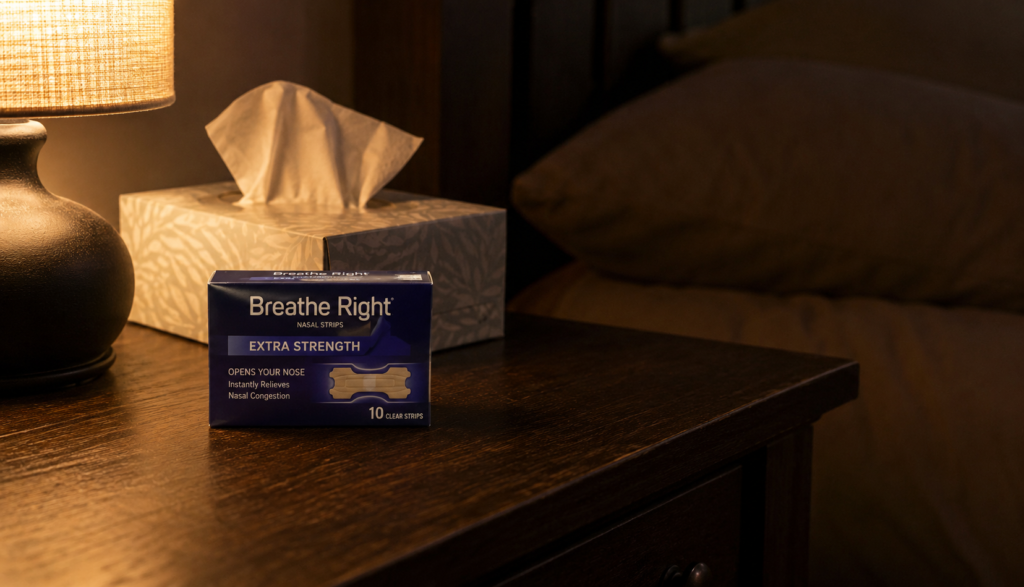
From experience, the pattern of drooling that appears or worsens alongside nasal stuffiness, postnasal drip, or seasonal congestion is almost always nasal airway driven rather than a sleep architecture problem. The distinction is important because the interventions are completely different. Nasal strips, saline rinses, and congestion treatment address the root cause. Changing sleep position or pillow height addresses a symptom of a problem that hasn’t been fixed.
Chronic mouth breathing during sleep — in the absence of obvious congestion — can also result from habitual patterns or structural issues including a deviated septum or enlarged adenoids. These produce persistent nasal airway restriction that doesn’t feel like congestion in the conventional sense but nonetheless forces oral breathing throughout the night. If mouth breathing during sleep persists despite clear nasal passages and no apparent allergy triggers, structural assessment by an ENT specialist is the appropriate next step.
When Drooling During Sleep Signals Something More Serious
Sleep apnea is the most clinically significant condition associated with drooling during sleep, and the connection is direct. Obstructive sleep apnea involves repeated partial or complete airway collapse during sleep, which forces the body to compensate through mouth breathing and often produces excessive saliva accumulation as a secondary effect.
People with sleep apnea frequently drool more than average because their airway dysfunction keeps the mouth open for extended periods throughout the night. Waking with a wet pillow alongside snoring, morning headaches, daytime fatigue, or a dry mouth are a cluster of symptoms that together warrant investigation for sleep apnea rather than independent management of each symptom.
GERD — gastroesophageal reflux disease — produces a specific type of nighttime drooling driven by a different mechanism. Acid reflux during sleep triggers increased saliva production as a protective response — the salivary glands produce extra saliva to neutralize acid in the esophagus. This excess saliva, combined with the slowed swallowing reflex of sleep, produces drooling that is particularly associated with lying flat and often accompanied by morning sore throat, hoarseness, or a bitter taste on waking. GERD-related drooling doesn’t respond to positional adjustments in the same way that gravity-driven drooling does, and it requires addressing the reflux directly rather than the saliva.
Medication side effects are a frequently overlooked cause of excessive drooling during sleep. Several drug classes — including certain antipsychotics, particularly clozapine, as well as some antibiotics and anticonvulsants — stimulate saliva production or reduce the muscle tone that maintains the swallowing reflex during sleep. If drooling began or worsened after starting a new medication, that temporal relationship is significant and worth discussing with the prescribing doctor. If you’re dealing with chronic sleep issues or unexplained symptoms like excessive nighttime drooling that doesn’t respond to obvious fixes, a doctor or sleep specialist is always worth consulting.
Neurological conditions including Parkinson’s disease and certain types of motor neuron dysfunction can affect the muscle control and swallowing reflex in ways that produce increased drooling during both waking and sleeping hours. In these cases, drooling is one symptom within a broader clinical picture rather than an isolated sleep phenomenon, and it requires medical management rather than behavioral intervention. Most people reading this won’t fall into this category, but sudden onset of significant drooling alongside other changes in muscle control or swallowing warrants prompt medical evaluation.
What Most People Don’t Know About Drooling and Sleep Stage
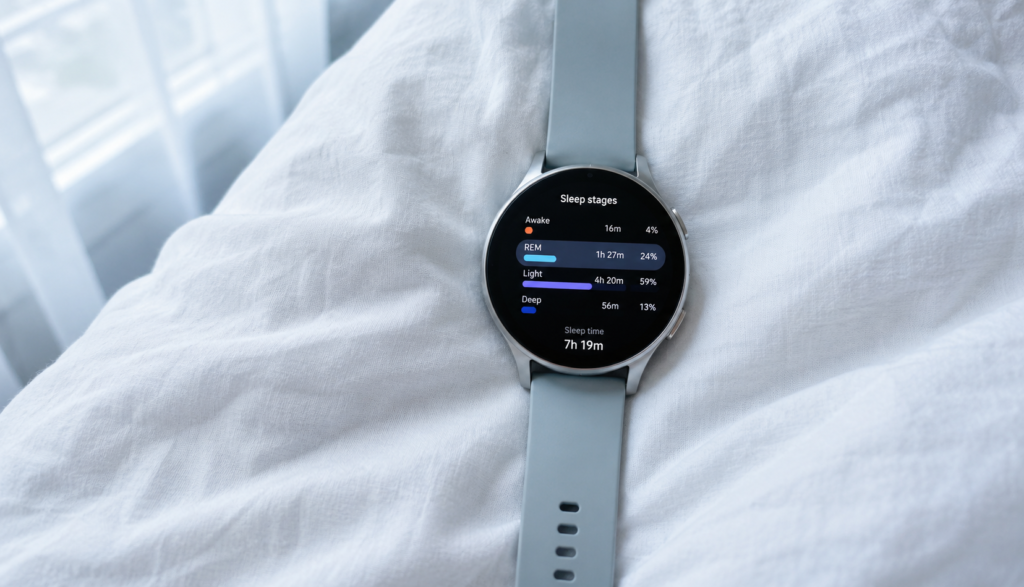
Here’s something that almost never comes up in general discussion about drooling during sleep: the amount of drooling you experience is directly related to which sleep stage you’re in when it happens, because muscle atonia — the progressive relaxation of voluntary muscles during sleep — reaches its most complete state during REM sleep. During REM, the brainstem actively inhibits motor neurons throughout the body, producing a state of near-paralysis that prevents you from acting out dreams. This atonia extends to the muscles of the jaw, lips, and throat, including those that maintain the swallowing reflex. The swallowing reflex slows to its minimum during REM sleep, which is why drooling is most likely to occur during REM-heavy periods — typically the final hours of the night when REM cycles are longest.
This explains a pattern many people notice but never understand: drooling that occurs primarily in the early morning hours rather than through the entire night. The first sleep cycles of the night are deep-sleep-heavy and REM-light — the swallowing reflex remains relatively active and drooling is minimal. As the night progresses and REM sleep dominates the later cycles, muscle atonia deepens and saliva management becomes less reliable. Waking with a wet pillow after a full night rather than in the middle of it is often a reflection of normal REM sleep distribution rather than any pathological process.
Understanding this also clarifies why people who get more REM sleep — whether through a naturally longer sleep window or improved sleep quality — sometimes notice more drooling rather than less. Better sleep architecture means longer, deeper REM cycles, which means more complete muscle atonia, which means the swallowing reflex is slower for more extended periods. In this context, drooling is actually a sign of healthy sleep depth rather than a problem. The distinction between normal REM-related drooling and drooling driven by nasal obstruction, sleep apnea, or GERD matters enormously for how to respond to it.
Practical Ways to Reduce Drooling During Sleep
For the majority of people whose drooling during sleep is position and anatomy driven rather than medically caused, the practical interventions are straightforward. Elevating the head of the bed or using a wedge pillow reduces the gravitational pull on saliva accumulation significantly. Keeping the head at a slight incline — even just 15 to 20 degrees — changes the dynamics enough to reduce or eliminate drooling for most side sleepers without requiring a complete position change.
Nasal breathing is the most important functional goal for anyone whose drooling is tied to mouth breathing. Nasal strips worn across the bridge of the nose mechanically open the nasal passages and reduce the resistance to nasal airflow enough that mouth breathing decreases during sleep. They don’t fix structural issues but they’re an inexpensive first test of whether nasal airway restriction is driving the problem. If nasal strips produce a noticeable reduction in drooling, that confirms the nasal airway is involved and points toward appropriate next steps — allergy management, nasal irrigation, or structural assessment depending on what’s causing the restriction.
Mouth taping — sealing the lips gently with medical-grade tape designed for the purpose — encourages nasal breathing during sleep by removing the option of mouth breathing. It sounds extreme but is well-tolerated by most people once nasal passages are clear, and it produces consistent improvements in sleep quality alongside reduced drooling for people whose oral breathing habit is behavioral rather than structurally forced. It should never be used if nasal passages are significantly congested, as it removes the backup airway. If snoring, morning headaches, or daytime fatigue accompany the drooling, taking our Sleep Apnea Risk Test is a useful next step — better understanding of your risk means knowing whether your sleep environment is supporting healthy breathing or disrupting it.
FAQ
A: Drooling during sleep happens because the swallowing reflex slows significantly during sleep — particularly during deep sleep and REM sleep — while saliva production continues. When the jaw is relaxed and the head is positioned so gravity pulls saliva toward the mouth opening, it escapes. Sleep position, mouth breathing from nasal congestion, and sleep stage muscle atonia are the most common causes.
A: Yes — occasional drooling during sleep is entirely normal and experienced by most people at some point. It becomes worth investigating when it is sudden in onset, significantly worse than before, accompanied by other symptoms like snoring or morning fatigue, or when it appears alongside changes in swallowing during waking hours.
A: Yes — sleeping on your side or stomach is the primary position-related cause of drooling during sleep. Gravity directs saliva toward the front or side of the mouth rather than toward the throat. Back sleeping or using an elevated pillow reduces drooling significantly for most people whose drooling is position-driven rather than medically caused.
A: Yes. Sleep apnea causes repeated airway obstruction that forces mouth breathing, which keeps the jaw open and allows saliva to accumulate and escape. Drooling alongside snoring, morning headaches, daytime fatigue, and dry mouth on waking is a cluster of symptoms that warrants sleep apnea investigation rather than independent management of each symptom.
A: REM sleep — when muscle atonia is most complete and the swallowing reflex is slowest — is concentrated in the final hours of the night. The early morning hours contain the longest and deepest REM cycles, which is when drooling is most likely to occur. This is often a sign of normal sleep architecture rather than a problem, particularly if sleep quality feels good overall.
A: Yes — nasal congestion is one of the most common and most overlooked causes of sleep drooling. Blocked nasal passages force mouth breathing, which requires the jaw to remain open throughout the night. With the mouth open and the swallowing reflex slowed by sleep, drooling follows directly. Treating the underlying congestion through allergy management or nasal irrigation often resolves the drooling completely.
A: Start with sleep position — elevate the head and avoid stomach sleeping. If mouth breathing is involved, address nasal congestion through antihistamines, saline rinses, or nasal strips. If the drooling is sudden, worsening, or accompanied by snoring and daytime fatigue, pursue medical evaluation for sleep apnea or GERD. Most position and congestion-driven drooling resolves with targeted adjustments rather than complex interventions.
Most Cases Have a Simple Fix Once You Know the Cause

Drooling when you sleep is almost always explainable and usually fixable once you identify which mechanism is driving it. Start with sleep position and nasal airway — these account for the majority of cases. If those adjustments produce no improvement and the drooling is accompanied by other sleep symptoms, pursue the medical angle rather than continuing to manage something that has an identifiable and treatable source. The wet pillow is just a symptom. Finding what’s behind it is where the actual solution lives.