
Most people land on a sleep position early in life and never question it again — it just becomes the way they sleep, with little thought given to whether it’s actually serving them well. But sleep position has measurable effects on digestion, circulation, spinal alignment, and even brain waste clearance that go well beyond simple comfort. The question of which side to sleep on isn’t trivial, and the answer differs depending on what specifically you’re trying to optimize for — general health, pregnancy, acid reflux, back pain, or sleep apnea risk.
The short answer that the research consistently supports is that left side sleeping has the broadest set of health advantages for most adults, but that answer comes with real nuance depending on individual circumstances. Right side sleeping, back sleeping, and stomach sleeping each have specific contexts where they’re either preferable or genuinely risky, and understanding the mechanisms behind each position is more useful than memorizing a single universal rule.
I’ve looked through the comparative research on sleep position extensively because it’s one of those areas where casual advice — “side sleeping is healthiest” — gets repeated constantly without the underlying reasoning ever being explained. Once you understand the actual mechanisms involved, the advice makes more sense and becomes easier to apply correctly to your specific situation.
Why Left Side Sleeping Has the Strongest Evidence Base
Left side sleeping benefits primarily come down to anatomy and gravity working in your favor for several distinct bodily systems simultaneously. The stomach and pancreas sit on the left side of the body, and sleeping on the left allows gravity to assist the natural digestive process, helping food move more efficiently through the stomach and into the small intestine. This is also why left side sleeping is the most commonly recommended position for people dealing with acid reflux or GERD — the esophagus connects to the stomach at an angle that, when lying on the left, keeps the junction above the level of stomach acid, making reflux into the esophagus significantly less likely than when lying on the right side, where that same anatomical angle works against you.
Cardiovascular health is another area where left side sleeping shows a measurable advantage, related directly to heart position during sleep. While the heart sits roughly centrally in the chest, its main pumping chambers are oriented slightly toward the left. Sleeping on the left side is believed to assist venous return — the flow of blood back to the heart — partly because the body’s largest vein, the inferior vena cava, runs along the right side of the spine, and lying on the left reduces compression on this vein compared to lying on the right or, more significantly, lying flat on the back. This effect is well-documented enough that left side sleeping is the standard medical recommendation during pregnancy specifically because of its impact on blood flow to both mother and fetus.
The glymphatic system — the brain’s waste-clearing pathway that operates primarily during sleep — has also shown some preference for lateral sleeping positions over back or stomach sleeping in animal studies, with left side positioning showing a slight edge in some research, though this area of investigation is newer and less definitively established than the digestive and cardiovascular evidence. What surprised me researching this was how much of the left-side recommendation comes down to consistent, converging evidence across several unrelated body systems rather than one single dramatic effect — digestion, cardiovascular flow, and acid reflux prevention all independently point toward the same position, which is part of why it has become the default recommendation in clinical settings.
When Right Side Sleeping Is Actually Better
Right side sleeping isn’t simply the inferior alternative to left side sleeping — it has specific contexts where it’s genuinely preferable, and treating left side as universally superior misses important nuance. People with certain heart conditions, particularly heart failure, are sometimes advised to avoid left side sleeping because the heart’s position can create a sensation of increased pressure or awareness of heartbeat that disrupts sleep quality, even though the underlying cardiovascular mechanics generally favor left side positioning for healthy hearts. This is a case where subjective comfort and a specific medical condition override the general population recommendation, and it’s why individual conditions should always take precedence over generic positional advice.
For people who experience acid reflux primarily when sleeping on their left side — which does happen in a subset of individuals due to individual anatomical variation — right side sleeping or maintaining an elevated upper body position regardless of left-right orientation may produce better results. The general population trend favoring left side for reflux doesn’t apply universally, and self-monitoring which side actually reduces your specific symptoms is more reliable than defaulting to the general recommendation if your own pattern differs.
Right side sleeping during late pregnancy, while less preferred than left side, is still considered acceptable and far safer than back sleeping, which becomes genuinely risky in the third trimester due to the weight of the uterus compressing the inferior vena cava when lying flat. The practical guidance during pregnancy isn’t “left side or failure” — it’s “either side, with left side preferred when comfortable,” which gives meaningfully more flexibility than the simplified version of this advice that often circulates.
Why Back and Stomach Sleeping Carry Different Risks Entirely
Back sleeping has a genuinely mixed risk profile that depends heavily on individual anatomy, particularly regarding sleep apnea. When lying on the back, gravity pulls the tongue and soft palate backward toward the throat, narrowing the airway in a way that side sleeping largely avoids. For people with any predisposition toward snoring or obstructive sleep apnea, back sleeping significantly increases the likelihood and severity of airway obstruction during sleep compared to side sleeping. This is one of the most consistent findings across sleep position research and is a primary reason positional therapy devices exist specifically to prevent back sleeping in people with confirmed positional sleep apnea.
For people without any sleep apnea risk, back sleeping does offer genuine spinal alignment benefits when done correctly — it distributes body weight evenly across the largest surface area and, with appropriate pillow support under the knees and a supportive pillow for the neck’s natural curve, can produce excellent spinal alignment with minimal pressure points. The challenge is that “done correctly” requires the right mattress firmness and pillow setup, and many people who sleep on their back without proper support develop lower back pain from the unsupported lumbar curve flattening against a mattress that’s too soft or too firm for their body type.
Stomach sleeping is the position with the most consistently negative evidence across nearly every measured outcome. It forces the neck into rotation for extended periods to allow breathing, creating sustained nerve compression and muscle strain that contributes significantly to neck pain and shoulder pain. It also flattens the natural curve of the lumbar spine in the opposite direction from its natural alignment, straining the lower back over the course of a full night. From experience reviewing case studies on this, stomach sleepers who experience chronic neck and back pain frequently see meaningful improvement simply by transitioning to side sleeping, even without any other intervention — the postural correction alone removes a significant nightly stressor that compounds over years when left unaddressed.
What Most People Don’t Know About Sleep Position and Skin
Here’s something that almost never comes up in general sleep position discussions: consistently sleeping on the same side, face pressed against the pillow for seven to nine hours nightly, produces measurable mechanical stress on facial skin over years that contributes to the development of sleep lines — creases that initially disappear shortly after waking but, with enough repeated compression over time, can become more persistent as skin loses elasticity with age. This isn’t about vanity advice unrelated to sleep health — it’s a genuine mechanical effect of sustained, repeated pressure on the same facial areas night after night for years, similar to how repeated folding eventually creases paper permanently rather than just temporarily.
This effect is asymmetric and side-specific in a way that’s rarely discussed — people who consistently favor one side over the other develop more pronounced asymmetric facial pressure patterns than people who switch sides throughout the night or sleep on their back. The mechanical explanation is straightforward: gravity and direct mattress pressure compress the skin against the underlying bone structure for hours at a time, and the collagen and elastin fibers in skin, given enough repeated cycles of this compression over years, lose some capacity to fully spring back to their original position. Back sleeping removes this specific mechanical stress entirely because no facial surface is compressed against a pillow throughout the night.
From a practical standpoint, this is a minor consideration compared to the digestive, cardiovascular, and spinal factors that should drive the primary decision about sleep position — but it’s worth knowing as a secondary factor, particularly for people already on the fence between back sleeping and side sleeping for other reasons. It’s not a strong enough effect to override genuine medical reasons for choosing side sleeping, such as sleep apnea risk or acid reflux, but it’s a real, measurable factor worth being aware of rather than dismissing as cosmetic noise.
How to Actually Transition to a Healthier Sleep Position
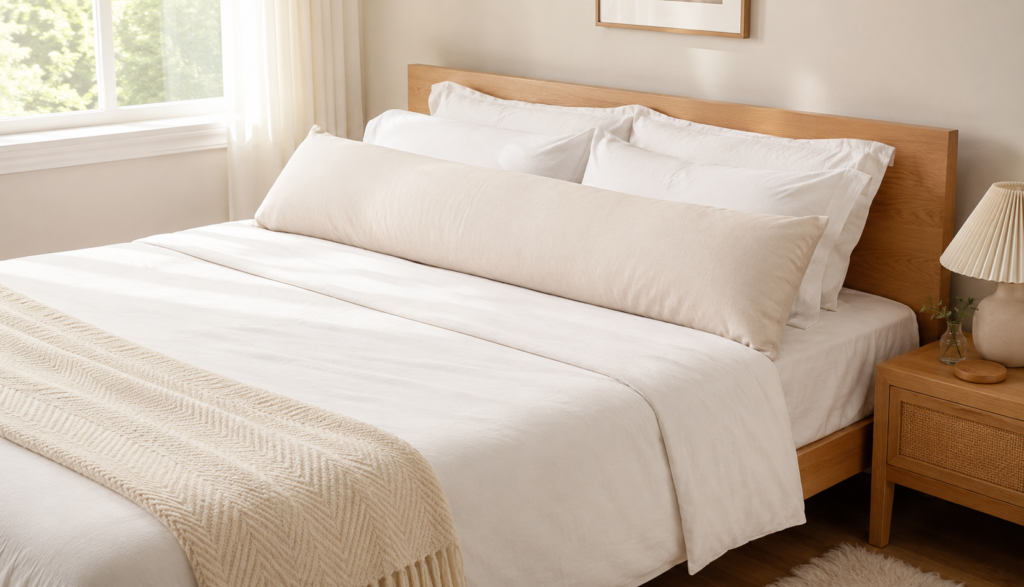
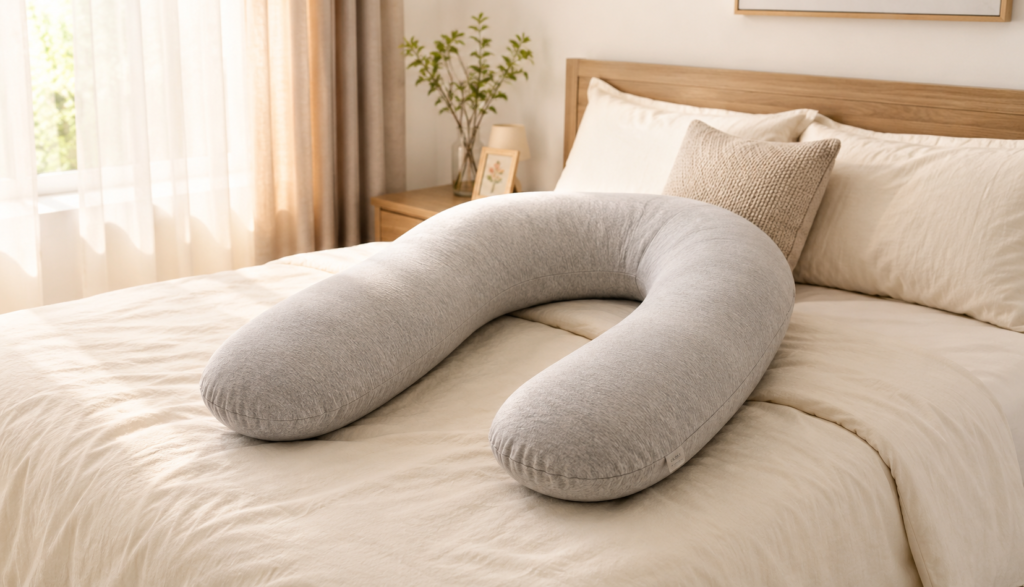
Changing an established sleep position is genuinely difficult because sleep position is largely controlled unconsciously once you’ve fallen asleep — you can choose your starting position but you can’t consciously maintain a specific position throughout the night without some form of physical prompting. For people transitioning from stomach or back sleeping toward side sleeping for health reasons, a body pillow positioned along the front of the body provides a physical barrier that makes rolling onto the stomach uncomfortable and naturally encourages staying in a side position, even during unconscious position shifts during the night.
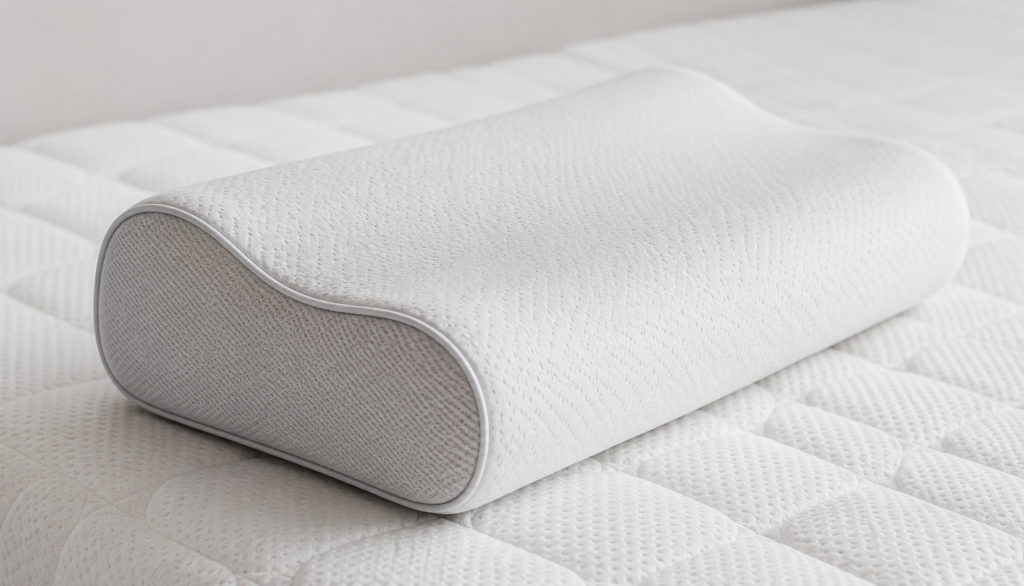
Pillow support matters significantly for whichever position you settle into. Side sleepers need a pillow with enough loft to keep the neck in a neutral position aligned with the spine — too flat and the neck drops downward, too high and it tilts upward, both producing strain over a full night. A pillow between the knees for side sleepers helps maintain hip alignment and reduces the rotational strain on the lower back that comes from the top leg pulling forward without support. Anyone learning how to sleep on your back properly benefits from a thinner pillow under the head combined with a pillow under the knees to maintain the natural lumbar curve rather than flattening it against the mattress.
Mattress firmness needs to match sleep position for any of these recommendations to actually work as intended. A mattress that’s too soft for a side sleeper allows the hips and shoulders to sink excessively, pulling the spine out of alignment. A mattress that’s too firm for a side sleeper doesn’t allow enough give at the pressure points — hips and shoulders — producing discomfort that disrupts sleep continuity throughout the night. Testing position changes alongside appropriate pillow and mattress support — and using our Sleep Timer to build a consistent wind-down routine around the new position — gives transition efforts a much higher chance of actually succeeding rather than reverting back within a few uncomfortable nights.
If chronic pain, persistent reflux, or suspected sleep apnea is driving the need to change sleep position, a doctor or sleep specialist is always worth consulting — particularly because conditions like sleep apnea require positional confirmation through a sleep study before positional changes alone can be relied upon as a primary treatment strategy, and chronic pain may have underlying causes that position changes alone won’t resolve.
FAQ
A: Left side sleeping has the strongest overall evidence base, benefiting digestion, reducing acid reflux, and supporting better blood flow back to the heart by reducing pressure on the inferior vena cava. It is also the standard recommendation during pregnancy. However, individual conditions can shift the ideal position for specific people.
A: No — right side sleeping is generally safe and healthy, just slightly less optimal than left side for digestion and acid reflux prevention in most people. Some individuals experience worse reflux on the left side due to anatomical variation, in which case right side sleeping may actually work better for them specifically.
A: Left side sleeping reduces pressure on the inferior vena cava, the large vein that returns blood to the heart, improving blood flow to both the mother and fetus. Back sleeping in late pregnancy can compress this vein significantly due to the weight of the uterus, making side sleeping — left preferred, right acceptable — the safer recommendation.
A: Yes, significantly. Back sleeping allows gravity to pull the tongue and soft palate backward, narrowing the airway and increasing the likelihood and severity of obstructive sleep apnea events. Side sleeping reduces this gravitational effect substantially, which is why positional therapy devices that prevent back sleeping are an effective treatment for positional sleep apnea.
A: Generally yes. Stomach sleeping forces sustained neck rotation to allow breathing, contributing to neck and shoulder pain, and flattens the lumbar spine’s natural curve in a way that strains the lower back over a full night. It is the sleep position with the most consistently negative evidence for musculoskeletal health.
Pick the Position That Matches Your Actual Needs

There is no single sleep position that’s universally correct for everyone, but the evidence does point toward left side sleeping as the strongest general default for digestion, cardiovascular flow, and reflux prevention. Right side sleeping is a reasonable alternative when left side doesn’t suit your individual anatomy or comfort. Back sleeping works well with proper support for people without apnea risk. Stomach sleeping is the one position worth actively moving away from for most people, given the consistency of the evidence against it. Match the position to your actual health context rather than habit alone, and give any transition the proper pillow and mattress support it needs to actually stick.